The Collector's Guide to Traditional Irish Folk Music CDs in 2026
- Paraic Mac Donnchadha

- 38 minutes ago
- 13 min read
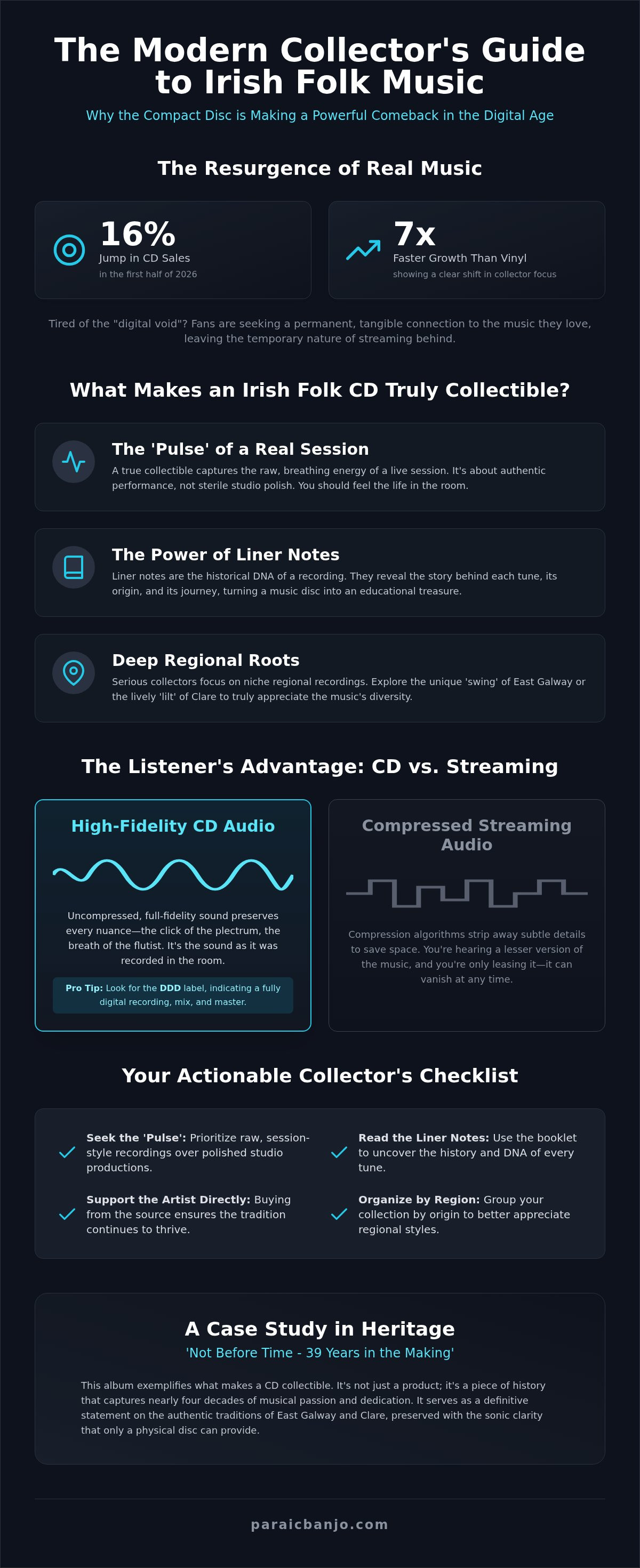
Did you know that CD sales jumped by 16% in the first half of 2026, growing nearly seven times faster than vinyl? It turns out the "digital void" of streaming just can't replace the weight of a real disc in your hand. You've probably felt that frustration too. It's getting harder to find the raw, unpolished pulse of a real session in a sea of over-produced "Celtic" pop. We all miss the deep stories and regional history that only exist within the pages of physical liner notes. Finding high-quality, collectible irish folk music cds is about more than just the sound; it's about the heritage.
This guide will help you identify and source recordings that preserve the authentic spirit of the music. You'll learn how to evaluate recordings for that genuine "session" energy and discover why supporting independent artists directly is the best way to own a piece of history. We'll look at the specific regional styles of East Galway and Clare, the importance of historical context, and why a debut 39 years in the making is exactly what your collection needs. Let's get started. Dive in. Build a library that actually says something about the tradition.
Table of Contents
Why Collectible Irish Folk Music CDs are Essential in 2026
By 2026, the novelty of the "infinite" streaming library has started to fade for many traditionalists. We've realized that a digital file is often just a temporary lease, a ghost in the machine that can vanish if a license expires or a platform changes its mind. For those who value the history of Irish music, physical media has become a vital time capsule. collectible irish folk music cds offer a permanence that streaming simply cannot match. They anchor a regional style into a physical object that you can hold, study, and pass down to the next generation.
Younger fans are leading this charge. They are looking for something real. They want to see the road dust on the cover art and feel the weight of a booklet in their hands. It's about a tactile experience. A CD isn't just a delivery system for audio; it's a statement of intent. It says you care enough about the music to own it properly. This resurgence is saving niche traditions from being swallowed by the digital void.
The Tangible Connection to the Artist
Holding the physical work of a master like Páraic Mac Donnchadha changes how you listen. You aren't just clicking a button on a glass screen. You're engaging with a life's work. The photography and the physical art are part of the story. They set the scene. In a world where digital files feel temporary, owning the physical disc makes you a custodian of the tradition. It turns the listener into a collaborator in preserving the music. You become part of the lineage that keeps the East Galway and Clare sounds alive.
High-Fidelity Sound vs. Compressed Streaming
Technical clarity is where the CD really shines. Streaming platforms use compression to squeeze files, which often strips away the nuances of acoustic instruments. You lose the rhythmic pulse of the tenor banjo or the subtle intake of breath from a flute player. On a high-quality disc, you hear everything. Every click of the plectrum (the small pick used to strike the strings) and every scrape of the bow is preserved. If you want to hear the music exactly as it sounded in the room during the session, the physical format is the only choice.
Look for the DDD Label: This indicates the music was recorded, mixed, and mastered digitally, ensuring the highest possible clarity for acoustic instruments.
Support the Maker: Buy direct from artist websites to ensure your support helps them fund future physical projects.
If you're ready to start your own library with a piece of heritage, you can find the physical CD of Not Before Time - 39 Years in the Making available for worldwide shipping right now. It's a definitive statement of a lifetime's passion. Grab your copy and feel the difference that physical media makes to your listening experience.
What Makes an Irish Folk CD Truly 'Collectible'?
What separates a dusty bargain bin find from truly collectible irish folk music cds? It isn't just about a low print run or a shiny foil stamp. For the dedicated listener, collectibility is measured by the "pulse." You want recordings that capture the raw, breathing energy of a real session. This means seeking out independent releases that avoid the sterile, over-produced polish of commercial "Celtic" hits. A true collector looks for small-batch pressings from independent masters who prioritize the music over the market. These discs serve as a definitive statement of a lifetime's work, often taking decades to perfect before they ever reach a plectrum.
The Power of Detailed Liner Notes
Liner notes are the historical DNA of a recording. They act as a primary source for anyone wanting to understand the traditional irish music cd they've just brought home. Páraic Banjo uses extensive notes to celebrate the deep traditions of East Galway and Clare, turning a simple plastic case into an educational treasure. When you read about who taught a specific fiddler a certain reel, you're connecting to a lineage. A collector's guide must prioritize this educational value. If a CD doesn't tell you where the tunes came from, it's just a collection of sounds. You want the story. You want the history.
Regional Styles and Rhythmic Mastery
Serious collectors focus on niche regional recordings rather than generic compilations. You might look specifically for the soulful East Galway style, known for its relaxed pace and deep "swing." It's easy to play fast; however, it takes a master to achieve true rhythmic mastery. Understanding different Traditional Irish Music forms like jigs and reels helps you appreciate these nuances. The "lilt" of a Clare flute or the steady drive of a Galway banjo creates a specific auditory experience that is highly sensory and evocative. These regional markers make a disc essential for any serious library.
Check the credits: Look for a list of guest performers. A collaborator who values the contributions of others usually produces a more authentic session sound.
Avoid "Best Of" sets: These often lack the historical context and unique regional flavor found in artist-led debuts.
Look for live tracking: Recordings where musicians play together in the same room capture a "lift" that multi-track studio sessions miss.
If you're looking for a piece of heritage that checks all these boxes, you might enjoy exploring the tracks on Not Before Time. It's a project 39 years in the making, filled with the very regional mastery we've been discussing. Grab a copy and start your collection with something that carries real weight.
Comparing Session-Style Recordings vs. Studio Productions
When you are building a library of collectible irish folk music cds, you eventually have to choose between two very different worlds: the polished studio and the raw session. Studio recordings are often "clean," with each instrument recorded separately to reach a perfect, error-free balance. However, for the traditional purist, this can sometimes feel a bit sterile. Traditional music is a social art form; it thrives on the "lift" that happens when musicians react to one another in real time. If you explore the Irish Traditional Music Archive, you will find that the most cherished recordings are those where you can practically feel the hardwood floor vibrating under the players' feet.
Capturing the Live Energy of 18 Tracks
For my debut, Not Before Time - 39 Years in the Making, I knew we had to go for a "one-take" philosophy. We brought expert musicians into the room and recorded 18 tracks live. This approach captures the rhythmic tension that a metronome simply cannot replicate. When a banjo and a fiddle lock into a reel together, they create a shared pulse. This interaction is exactly what makes a recording collectible. It isn't just about the notes; it's about the conversation. Whether it is a set of driving reels or a bouncy jig, the ensemble support should feel like a natural extension of the lead instrument, just like a real night in a Galway pub.
Evaluating Authenticity in Modern Releases
How do you spot a recording that has lost its way? Look out for red flags like heavy synthesizers or excessive reverb that makes a small room sound like a cathedral. In an authentic recording, you want to hear the organic textures of the instruments. You should be able to hear the wood of the flute and the distinct strike of the bodhrán-the traditional Irish frame drum played with a wooden beater. If the production is too "glossy," that essential lilt is usually the first thing to disappear. For more tips on vetting your next purchase, have a look at this guide on how to buy traditional irish music. It will help you find the "soul" factor that separates a masterpiece from a commercial product.
Listen for the Room: A great session recording will have a sense of space. You should hear the natural decay of the sound against the walls, not a digital effect.
Track the "Swing": Authentic recordings usually have a slight rhythmic "swing" or delay that feels human and inviting.
Check for Live Tracking: Look at the liner notes to see if the musicians recorded in the same room at the same time. This is the gold standard for collectors.
The best collectibles are definitive statements of an artist's journey. Don't settle for sterile, multi-tracked sounds when you can have the raw energy of a live room. Seek out the rhythmic and the real. Your ears will hear the difference, and your collection will be all the better for it. Grab a live-recorded project today and let the session come to life in your own home.
Practical Tips for Building Your Irish Music Collection
Building a library of collectible irish folk music cds is about more than just filling a shelf; it is about curating a living history. To make your collection meaningful, try organizing your library by regional roots. Dedicate sections to the steady, pulsing heart of East Galway, the wild lilt of Clare, and the crisp, lightning-fast fiddle styles of Sligo. By categorizing your music this way, you begin to hear the "conversation" between different counties and generations. It turns a simple hobby into a deep cultural study that reveals how tunes travel and change across the island.
When you are hunting for second-hand treasures, verify the condition of the physical media carefully. Look closely at the silver side of the disc under a bright light. While small circular scratches are usually fine, deep gouges that run from the center to the edge can cause skipping. Don't forget to check the booklet too. A pristine, unbent booklet with legible notes adds significant value to any collectible. Finally, keep a log of the tune names. Traditional music is famous for tunes that carry three different names depending on who you ask, so tracking the players and tune titles helps you master the lineage of the music.
Where to Source Your CDs
When you are ready to expand your library, think about the traditional irish music store model. Whenever possible, buy direct from the artist's own website. Massive third-party marketplaces often take a significant cut of the sale, leaving very little for the musicians who did the work. Buying direct ensures your money supports the craft and often gives you access to limited editions or extra materials that big-box retailers simply don't carry. It is the best way to ensure the tradition stays in the hands of the makers.
Preserving Physical Media for the Future
Proper storage is your best defense against "disc rot," a chemical reaction that can make a CD unplayable over time. Keep your discs in a cool, dry place away from direct sunlight. For daily listening, create high-quality copies on your computer using "lossless" formats like FLAC or ALAC. These are digital audio files that preserve every single bit of data from the original CD without "compressing" or losing any sound quality. This keeps your original physical disc in mint condition while you enjoy the music on the go. Always handle the disc by the edges or the center hole to keep finger oils off the surface.
Lossless Backups: Use FLAC (Free Lossless Audio Codec) or ALAC (Apple Lossless Audio Codec) to keep the exact sound quality of the original session.
Jewel Case Integrity: If a case cracks, replace it immediately to prevent dust from reaching the disc.
Support the Maker: Direct sales help artists fund their next project, ensuring the music never stops.
If you are looking for a definitive piece of East Galway heritage to anchor your collection, order your copy of Not Before Time today. It is a limited-edition physical release that captures 39 years of mastery in every track. We ship worldwide in 2026, so you can start your collection no matter where you are. Dive in and start building a library that truly resonates with the spirit of the tradition.
The Essential Addition: 'Not Before Time - 39 Years in the Making'
Every serious library needs a cornerstone, a definitive piece that anchors the entire collection. For those seeking collectible irish folk music cds, this debut album is that essential addition. It isn't just a collection of tracks; it's a milestone. After nearly four decades of honing the craft, this project represents a lifetime of musical passion and community connection. It's a celebratory statement, a relief to finally share, and a warm invitation into a storied tradition. When you hold this disc, you're holding 39 years of history, refined and perfected before ever hitting the plectrum.
A Lifetime of Mastery in One Disc
The 39-year journey behind Not Before Time adds a layer of legendary status to the recording. Páraic Mac Donnchadha doesn't just play the banjo; he breathes life into the specific, soulful style of East Galway. This regional lilt is characterized by a relaxed pace and a deep, infectious "swing" that prioritizes rhythm over raw speed. It's a sensory experience. You can hear the decades of mastery in every note. This isn't a solitary effort, either. The album features a wide array of expert collaborators, creating a rich, ensemble sound that feels like a masterclass in traditional music. It’s more than an album. It’s a piece of musical heritage that captures the very soul of the session.
Ordering Your Copy
Ready to add a masterpiece to your shelf? You can Order 'Not Before Time' on physical CD now directly through the official storefront. We've kept the process simple because we want the music to stay in the hands of the community. Buying direct is the best way to ensure you receive a high-quality physical product, complete with the extensive liner notes we've discussed. They provide the historical "DNA" of the 18 live-recorded tracks, offering stories and context you simply won't find on a streaming app.
Global Shipping: We offer worldwide shipping in 2026, so international collectors can secure their copy without hassle.
Direct Support: Your purchase goes straight to the artist, helping preserve the East Galway and Clare traditions for the next generation.
Limited Edition: Physical copies are the gold standard for collectors, providing a tactile connection to the music that digital files can't match.
This project is a definitive statement of a lifetime's work. It's a brisk, energetic journey through the tunes that have shaped a career. Don't miss the chance to own a piece of this journey. Secure your physical copy today and let the rhythm of the banjo bring the spirit of the session into your home. It’s been a long time coming, but the best things usually are. Enjoy the tunes!
Start Your Journey into the Heart of the Session
Building a library of collectible irish folk music cds is about more than just filling a shelf. It's about capturing the raw energy of a live session and preserving the deep regional histories of Galway and Clare. You now know to look for the "pulse" of live interaction over sterile studio polish. You've learned how detailed liner notes act as a roadmap for the music's DNA. Most importantly, you understand why buying direct from independent artists is the only way to keep this heritage alive. It's about ownership, respect, and the love of the craft.
It's time to anchor your collection with a piece of history that took nearly four decades to perfect. With 18 tracks of pure live energy and extensive historical notes, "Not Before Time" is the definitive statement of a lifetime's passion. It's an invitation. Pull up a stool. Listen to the tradition as it was meant to be heard. Secure your limited edition copy of 'Not Before Time' here. Grab your copy today. Let the rhythm of the banjo be the heartbeat of your home. The music is waiting. Enjoy every note!
Frequently Asked Questions
What makes an Irish music CD 'collectible' compared to a standard release?
A CD becomes a collector's item when it preserves a specific regional style or a significant career milestone. Unlike mass-produced "Celtic" hits, these discs often feature live session energy and small-batch pressings. Look for albums that capture a raw, unpolished sound and include extensive background on the performers and the tunes. These elements turn a simple recording into a piece of musical heritage that stands the test of time.
Is it better to buy Irish folk music on CD or digital download?
Choosing physical collectible irish folk music cds is best for sound quality and long-term preservation. CDs offer uncompressed audio that captures every plectrum click and breath, while digital files often lose these nuances. Plus, a physical disc ensures you own the music forever, whereas digital access can be temporary. If you want the full sensory experience and a permanent library, the physical format is the clear winner.
Why are liner notes so important for traditional music collectors?
Liner notes act as the historical DNA for every tune, explaining where the melody originated and who passed it down. For traditional music collectors, these notes are educational tools that help you understand regional "swing" and "lilt." They turn a listening session into a deep dive into Irish culture. Without them, you're missing the context that makes the music meaningful. They are essential for anyone wanting to learn the tradition.
How can I tell if an Irish folk album is authentic or commercialized?
Authentic recordings usually feature musicians playing together in one room to capture a rhythmic "lift." Red flags for commercialized albums include heavy synthesizers, excessive reverb, or a "glossy" studio sound that feels sterile. Check the credits for a collaborative spirit. If the album feels like a real session rather than a polished production, it's likely the real deal. Trust your ears to find the musician's passion.
Where is the best place to buy traditional Irish music directly from the artist?
The best place to buy is through an artist's official storefront or website. This ensures your support goes directly to the musician rather than a massive third-party marketplace. Direct buying often gives you access to limited editions or signed copies that aren't available elsewhere. It's the most effective way to help artists fund their next project while adding a high-quality, meaningful piece to your personal library.
Does Páraic Banjo's 'Not Before Time' album include historical information?
Yes, "Not Before Time" includes extensive historical liner notes that celebrate the deep traditions of East Galway and Clare. These notes detail the 39-year journey behind the debut and provide background on each of the 18 live-recorded tracks. It's designed to be an educational resource as much as a musical one. You'll gain a deeper appreciation for the tunes by reading the stories of the masters who played them before.
Are limited edition Irish folk CDs a good investment for the future?
Limited edition collectible irish folk music cds are excellent investments because they preserve niche cultural traditions that may never be reissued. As streaming services become more fragmented, physical copies of authentic sessions become rarer and more valuable to purists. They aren't just financial investments; they are cultural time capsules. Owning a rare debut ensures you have a permanent piece of musical history that won't disappear from a digital cloud.
How do I care for my physical CD collection to prevent damage?
Care for your collection by storing discs in a cool, dry place away from direct sunlight. This prevents "disc rot," which is a chemical reaction that ruins the data layer over time. Always handle your CDs by the edges or the center hole to avoid getting oils from your skin on the surface. If a jewel case cracks, replace it immediately to keep dust and grit away from the disc's silver side.


Comments