Authentic Celtic Music: A Collector’s Guide for 2026

What does the “Celtic” label tell you about a recording? Not as much as the tunes, players, and musical setting behind it. The label covers traditions from Ireland and Scotland to Wales and Brittany. Finding authentic celtic music means listening beyond the category and noticing the details that connect a performance to its roots.
If you’ve struggled to compare recordings without knowing which tradition you’re hearing, start with a few practical questions: What repertoire is featured? Who is playing, and in what setting? Are there notes that explain the music’s background? This guide will help you listen for those details, explore repertoire and playing styles, and choose recordings that reward both a first listen and a closer one. Reels and jigs offer familiar starting points, while the way musicians respond to one another can make each performance distinctive.
We’ll use Not Before Time as one example of Irish traditional music, not as a definition of all Celtic music. Described as 39 years in the making, the album brings together 18 tracks of reels, solo and ensemble playing, live and studio performances, ten additional Irish musicians, and a free 36-page booklet of detailed liner notes. That context can open up a whole new way of listening.
Table of Contents
What Does Authentic Celtic Music Mean to a Listener?
“Authentic” can sound like a stamp of approval, as if one sound could represent an entire musical world. A more useful question is how a recording connects its music to a tradition. Consider its repertoire, the performers’ choices, and the context that helps you understand what you’re hearing.
A practical definition: authentic celtic music is music whose relationship to a particular tradition is audible or clearly explained, without requiring it to follow one fixed style. That leaves room for deep-rooted performances and thoughtful new interpretations. Instead of asking, “Is this the real thing?” ask, “What tradition is this drawing on, and how?”
Why the Celtic label covers many musical traditions
The Celtic label brings together distinct musical traditions rather than describing one uniform sound. Irish traditional music is one part of that wider landscape; it shouldn’t be treated as interchangeable with music from Scotland, Wales, Brittany, or elsewhere. For a broad overview of the styles and regional variety associated with Celtic music, start with the label, then look more closely at the place and tradition named by a recording.
This distinction helps newcomers listen with curiosity instead of expecting every recording to share the same instruments, melodies, or feel. A modern arrangement doesn’t automatically lose its connection to tradition, just as an older recording isn’t automatically more authentic. Notice the musical roots the performers draw on and how they make those roots their own.
What authenticity can mean in a recording
Listen for three connected things. First, the repertoire: are the tunes associated with a specific tradition or musical community? Next, the performance: how do the musicians shape the melody, rhythm, and phrasing? Finally, the context: do the notes or other details explain the tunes, performers, or setting? No single clue settles the question, but together they can make a recording’s relationship to a tradition clearer.
A genre tag alone can’t tell you whether a recording is a collection of traditional tunes, a contemporary interpretation, or a blend of influences. Nor can format or age decide it for you. A polished studio recording may carry a strong sense of tradition, while a live performance may take familiar material in a new direction. Let your ears lead, then use background information to fill in what you can’t hear.
Try this on your next listen: write down the tradition named, one detail you notice in the performance, and any context the recording provides. If a sound catches your attention, follow that thread. Authenticity isn’t a gate you have to pass through before enjoying the music. It’s a way to listen more closely, with respect for the traditions and people that keep the music moving.
How Tradition Comes Through in Repertoire and Performance
A tune is more than a melody on a track list. Its character comes through in the way it moves, how a player shapes its phrases, and what happens when other musicians join in. To hear those choices, listen once for the overall feel, then play the tune again and focus on one detail at a time. Those small turns are often where the music starts to speak.
Listen for the tune and the way it is played
Reels are a recognizable part of Irish traditional repertoire and a useful place to begin listening. Rather than trying to label every form, follow the tune’s pulse, the steady sense of movement beneath the melody. Notice whether the phrasing feels clipped or flowing, whether the energy builds or stays even, and which notes a performer gives extra weight. These are observations, not a test with one right answer.
Melody: Which phrase sticks with you after the tune ends?
Pulse: Can you feel the steady movement without counting along?
Phrasing: Does the player make a musical line feel smooth, playful, or full of lift?
Energy: Does the performance gather momentum, ease back, or keep a steady drive?
Repertoire and performance choices work together. The tune gives musicians material to shape; their timing, emphasis, and feel give that material its particular character. No single instrument or technique can prove a performance’s connection to tradition. Listen instead for considered choices and for how the musicians bring the tune to life. For another perspective on the variety of styles and history involved, explore Smithsonian Folkways' perspective on Celtic music.
Solo playing and ensemble interplay
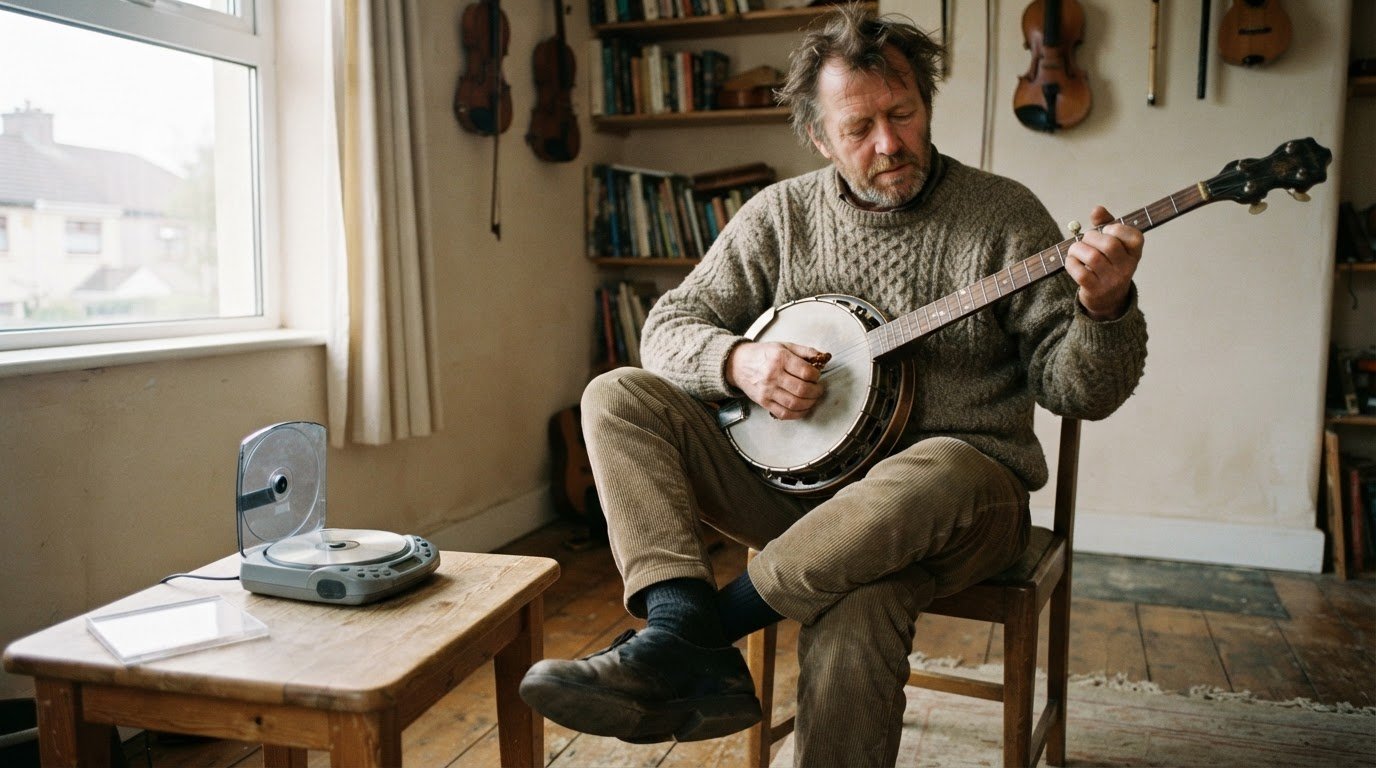
Solo playing puts one musician’s interpretation in the foreground. With fewer musical parts to follow, you can hear the tune’s shape clearly: where a phrase turns, how the pulse is held, and how the player creates contrast from one passage to the next. Try listening for a phrase that returns, and notice whether it feels exactly the same or newly shaped.
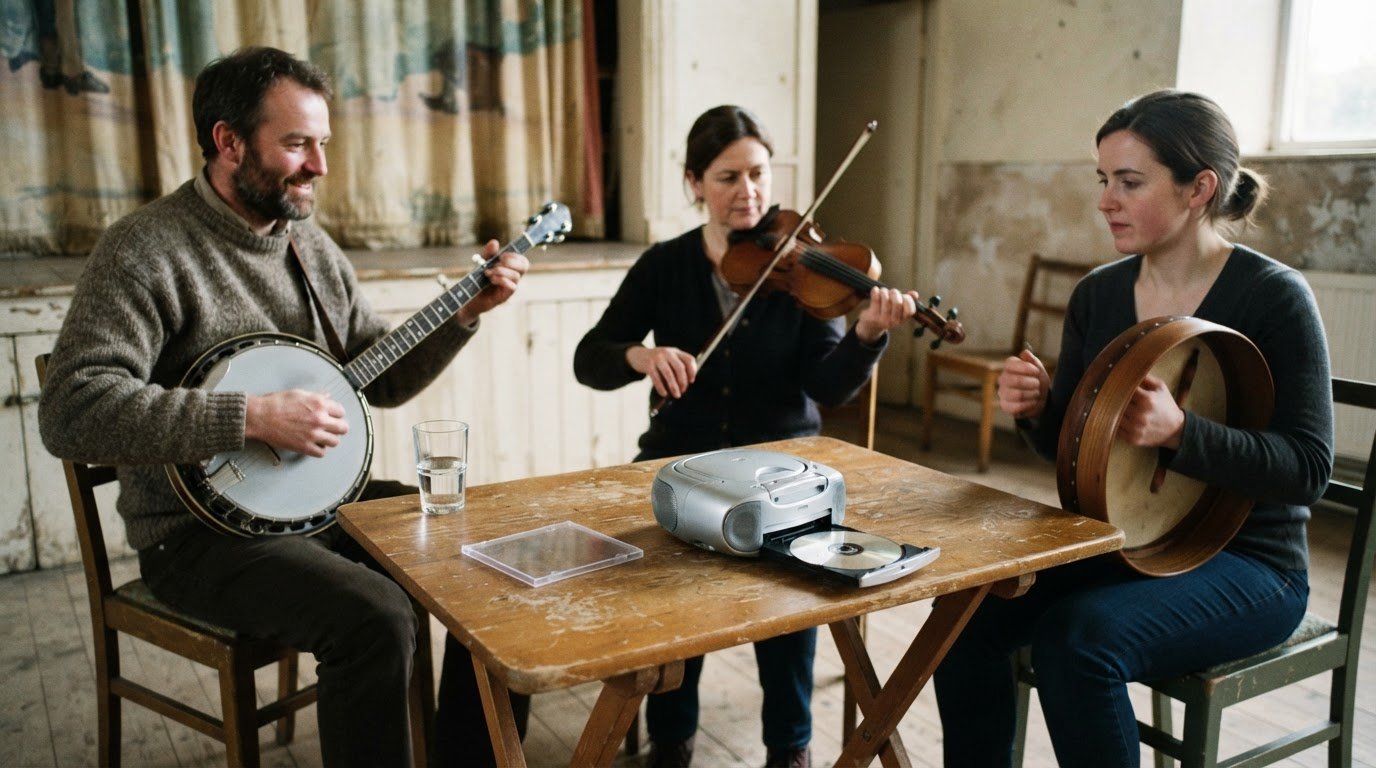
In an ensemble, attention shifts between the players. One may carry the melody while another supports its motion; the group can sound tightly together or let different parts of the tune stand out. Listen for the musical handoffs: who leads, who answers, and how the players make space for one another. That interaction is part of the pleasure, not a reason to rank ensemble playing above a solo performance. Compare both settings and notice which details each brings forward.
Here’s a simple listening cue: “Follow the tune, then listen for who answers.” Put it to use with a recording of Irish session music, and see which moments invite another listen.
How to Compare Authentic Celtic Music Recordings
A useful comparison starts with what you want from the music, not which recording wears the broadest genre label. Authentic celtic music can be heard in a wide-ranging anthology or a focused artist album, and each can reveal something different. Compare four things as you listen: the repertoire, the performers, the recording setting, and the context provided. Jot down a phrase or detail that stays with you, then use it to guide your next listen.
Repertoire
Does the recording explore a range of tunes or stay with a particular tradition or musical focus?
Performers
Do you want to sample different players, or spend time with one artist’s approach?
Recording setting
Listen for the feel of a live performance or the clarity and detail of a studio recording.
Context
Look for notes that help identify the music, performers, or tradition behind the recording.
Compilation or focused artist recording?
A compilation can introduce you to different performers and styles in one place, making it a handy starting point when you’re still discovering what draws you in. A Smithsonian Folkways anthology is one example. A focused artist recording, by contrast, lets you spend more time with one musician’s choices and interpretation. Choose a compilation to explore broadly, or an artist album when you want a sustained listen. Neither format is automatically the better choice.
Live and studio recordings: what should listeners compare?
Live and studio describe different recording settings, not different levels of authenticity. A live performance may let you notice the shared energy between players and the feel of music unfolding in the moment. A studio recording can make individual parts and musical details easier to follow. Listen for how the tune’s pulse holds, how the musicians interact, and which details the setting brings forward. Don’t treat polish as proof of distance from tradition, or live sound as proof of a closer connection.
For a deeper look at how Celtic music can be preserved and developed in different settings, see The Canadian Encyclopedia’s insights into Celtic music. Then compare two recordings of similar repertoire. Note what changes in the performers’ phrasing, the group’s interplay, or the feeling of the recording. That simple side-by-side listen can reveal more than a genre label alone.
Choose by musical context and listening preference, not label alone. Put this approach into practice by exploring Irish traditional music through a focused artist recording.
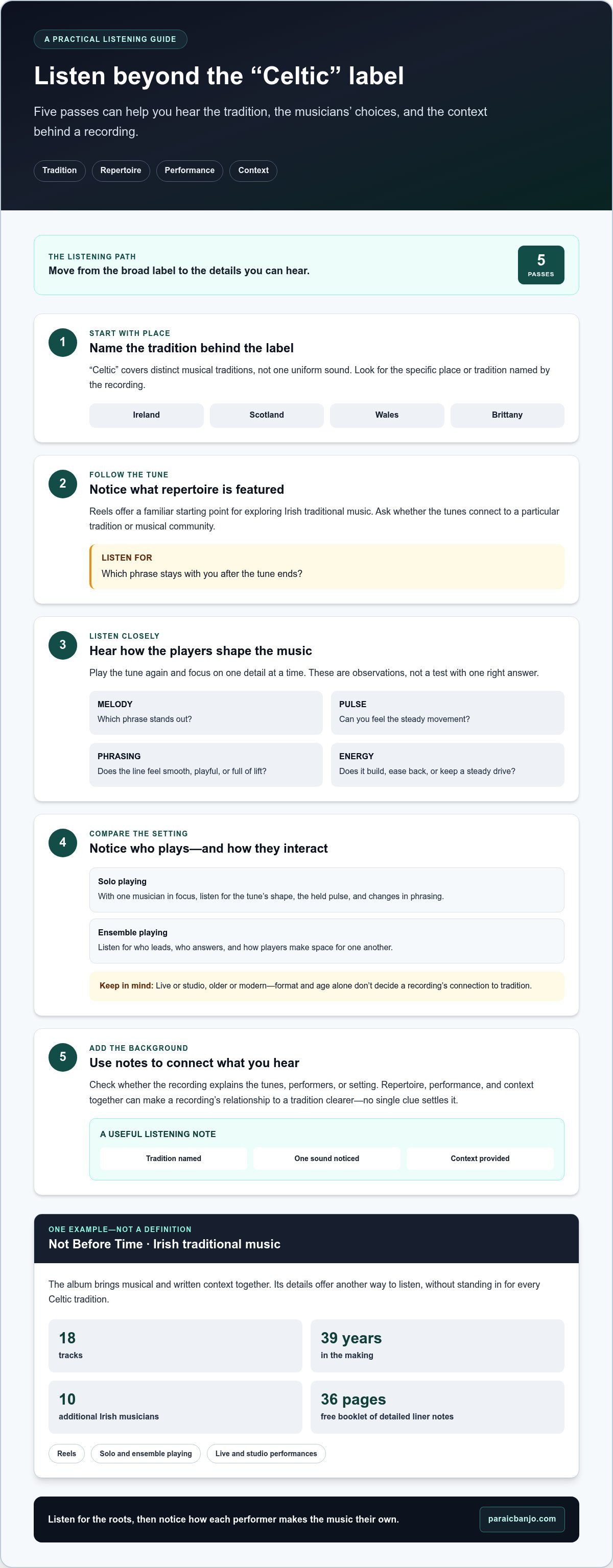
A Practical Listening Checklist for Discovering Celtic Music
Curiosity is a good starting point. You don’t need a background in traditional music or a collector’s shelf full of recordings to explore it. Use this four-step routine to make a listening session more rewarding: start with a tradition, sample its music, pay attention to the performance, then read a little about what you heard. Keep track of tunes or sounds you want to return to.
Choose one tradition or starting point. Begin with a place, instrument, or setting that catches your attention. You might explore Irish music, compare regional styles such as East Galway and Clare, or start with a particular instrument or session recording. Treat that choice as a doorway, not a commitment. Try more than one recording before deciding what appeals to you; differences between performers can be just as intriguing as regional contrasts.
Sample the repertoire. Listen to a few tracks rather than judging a tradition from one brief excerpt. Notice whether you’re hearing familiar tune types, songs, or a mix, and mark any melody that stays with you. You don’t need to name every form or recognize every tune. A simple note such as “lively, with a phrase I want to hear again” gives you a useful thread to follow. Let attention, not expertise, guide your next choice.
Notice the performance. On another listen, focus on one detail: the tune’s pulse, how a melody is phrased, or the way musicians play together. If it’s a solo performance, follow how one player shapes the music. In an ensemble, notice how the parts support or respond to one another. Ask yourself what holds your attention. That personal response matters: there’s no required way to enjoy authentic celtic music, and no single sound should serve as a pass-or-fail test.
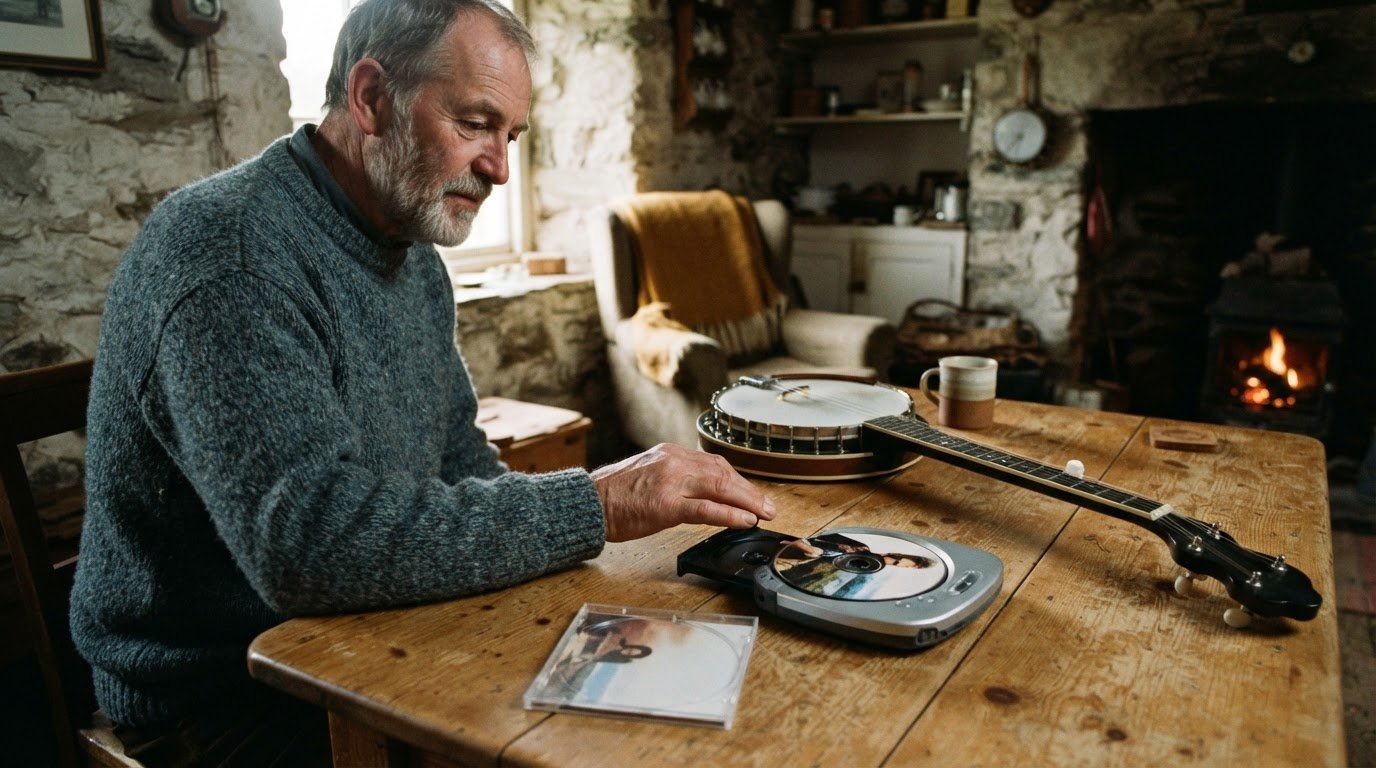
Explore the context. Once a recording has caught your ear, read any available notes about its performers, repertoire, or recording setting. Liner notes, the written information that accompanies an album, can offer helpful background and point you toward related music. They don’t replace listening or dictate one correct interpretation. Read a little, then return to the track. You may notice something new, or simply enjoy the same tune with a richer sense of its setting.
Keep the process light. Follow a sound that genuinely draws you in, and let one discovery lead naturally to another. For a focused example of Irish traditional music, discover Páraic Banjo recordings.
Not Before Time: An Irish Traditional Recording to Explore
Put a collector’s listening questions into practice by focusing on one recording without asking it to stand for every tradition under the Celtic umbrella. Not Before Time is Páraic Mac Donnchadha’s debut solo album and a specific example of Irish traditional music. Its details offer several ways into a close listen: the repertoire, the combination of solo and ensemble tunes, the live and studio performances, and the background provided for listeners.
A debut shaped by Irish session music
The album brings together 70 minutes of Irish session music across 18 tracks of reels. Alongside solo and ensemble tunes, it includes live and studio performances, giving listeners more than one playing setting to explore. Ten additional Irish musicians feature on the album. These details make it a rewarding recording to spend time with, not a definition of what all authentic celtic music must sound like.
Try listening with a different question each time. On one play, follow how a tune unfolds; on another, focus on the contrast between solo and ensemble playing. When musicians perform together, listen for how the group supports the tune and how the musical parts relate. Then compare that experience with the closer attention a solo performance can invite. There’s no need to rank one setting above the other. Each gives you a different way to hear the repertoire.
Music with context in the accompanying booklet
Not Before Time is 39 years in the making, and it includes a free 36-page booklet with detailed liner notes. The notes give listeners another way to approach the music: pause between tracks to explore them, then return to the tunes with that context in mind. The booklet can help connect a listening experience to its background while leaving room for your own response. Let the music lead, with the notes alongside it.
For collectors, that combination can add depth to a listen. The recording offers the sound, while detailed notes can give the repertoire and performances a wider frame. You might jot down a detail that changes how you hear a tune, or simply mark a track you want to revisit. Let the music hold your attention on its own, too. Context should deepen the listen, not turn it into homework.
Explore this Irish traditional recording at your own pace, and see which tunes call you back. Explore Páraic Banjo’s recordings.
Keep Following the Music That Moves You
Your next step doesn’t need to be a definitive answer to what counts as authentic celtic music. Choose a tune that lingers, listen again, and let your curiosity lead you toward its performers and tradition. The pleasure is in building a collection that keeps opening new doors, one attentive listen at a time.
Not Before Time has earned praise from listeners who know traditional Irish music: Daniel Neely of the Irish Echo calls it “A absolute must-have for anyone who loves traditional Irish music,” while Derek Hickey describes it as “Perfect pace, perfect space, rock solid music.” Its accompanying booklet offers another way to spend time with the music, with detailed liner notes to explore alongside the listening.
Ready to follow that thread? Explore Páraic Banjo’s recordings, and enjoy the journey wherever the tunes take you.
Frequently Asked Questions
Is Celtic music the same as Irish traditional music?
No. “Celtic music” is a broad category, while Irish traditional music names a particular tradition within it. When organizing a collection, note the specific region or tradition attached to a recording rather than filing every related sound under one label. More precise descriptions make it easier to trace an artist’s influences and find recordings with a similar musical focus.
Can Celtic music include modern adaptations?
Yes. A modern arrangement can reshape traditional material without hiding where its musical ideas come from. To understand the choices, compare a track’s description or credits with what you hear: does the arrangement emphasize the melody, change its mood, or bring in different influences? You don’t have to decide whether the result is “traditional enough.” Consider what the musicians are doing and whether the interpretation speaks to you.
How can a beginner start listening to traditional Celtic music?
Make the first listen easy: choose one track, give it your attention, and save it if you want to hear it again. You might listen while relaxing rather than trying to identify every instrument or musical form. If you return to it, note the title and performer so you can find the recording later. There’s no need to build a complete listening plan before you begin.
What is the difference between a reel and a jig?
Both are lively dance-tune types, but they have different rhythmic feels. A reel usually has an even, two-beat grouping; a jig often has a lilting grouping of three smaller beats. You can hear the contrast by tapping along: a reel tends to feel more straight-ahead, while a jig has a buoyant swing. These are useful first impressions, not rules for judging a performance.
Does an authentic traditional recording have to be live?
No. A live recording isn’t automatically more connected to tradition, and a studio recording isn’t automatically less so. When considering authentic celtic music, judge the performance on what it communicates, not on assumptions about where it was recorded. If the setting is mentioned, treat it as useful background. Then listen for the musicians’ choices and decide whether the music feels compelling to you.
What can liner notes tell you about traditional music?
Liner notes can help you keep track of a recording after the first listen. If they provide track titles, performer details, or other identifiers, use them to label your notes or collection accurately. You might mark a track to revisit or record a question that comes to mind. That small habit turns listening into a personal archive without requiring you to study every detail before enjoying the music.
Can I enjoy Irish traditional music without knowing its history?
Of course. You don’t need historical knowledge to respond to a tune, and curiosity can come later. Start with what you enjoy, whether that’s the melody, rhythm, or the way a performance makes you feel. If a title or sound sparks a question, follow it when you’re ready. Learning more can add another layer, but it’s an invitation, never an entrance requirement.
Comments