Building a Digital Irish Music Collection: A Purist’s Guide for 2026

What if your digital music library felt less like a cold, sterile spreadsheet and more like a lively, fire-lit session in a County Clare pub? You've likely felt the frustration of tinny, compressed audio files that lose the resonance of a wooden flute or the crisp snap of a banjo. It's a common struggle for those of us who cherish the tradition; we want the convenience of modern tech without losing the heart of the music. Building a digital irish music collection should be about more than just filling a hard drive. It's about preserving the soul of the tunes and the stories behind them.
I understand the desire for a library that actually sounds like the real thing. You want to hear every breath and every ornament just as the artist intended. In this guide, you'll learn how to curate a high-fidelity archive that honors the history of the music while utilizing the best tools 2026 has to offer. We'll look at sourcing authentic recordings, capturing vital context like liner notes, and supporting independent creators directly. Let's start building a collection that sounds as rich as the history it represents.
Key Takeaways
Upgrade your listening experience by choosing high-fidelity formats like FLAC or WAV that capture every crisp ornament and subtle breath of the performance.
Master the art of building a digital irish music collection by sourcing tracks directly from the creators to secure the cultural context often missing from big platforms.
Set up a dedicated storage and naming framework that turns a messy folder of files into a curated, easy-to-navigate musical archive.
Learn how to support the living tradition while enjoying the convenience of a modern library that honors the artists' lifelong dedication to their craft.
Table of Contents
Why Digital Collections Matter for Traditional Music Purists
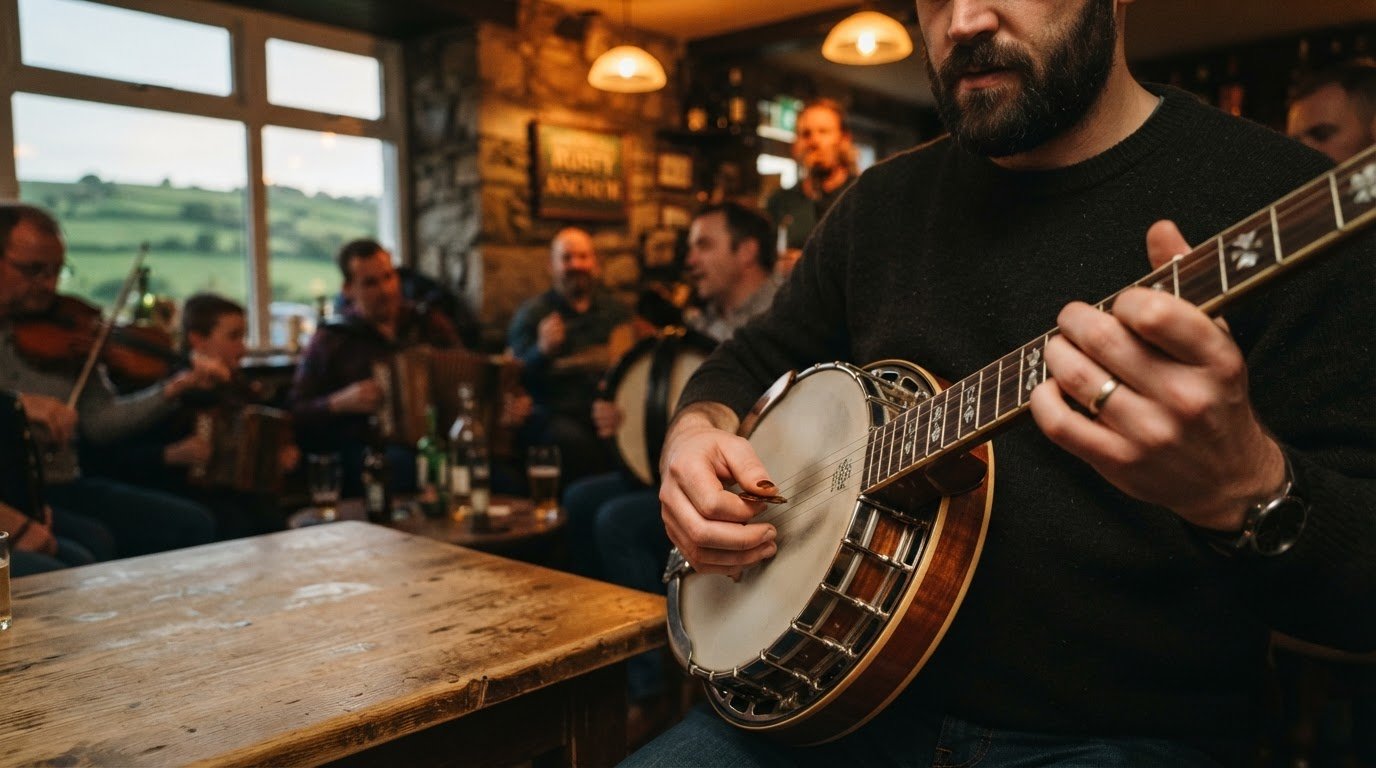
The landscape of how we hear the tunes has shifted. By 2026, the humble physical CD has become more of a keepsake than a daily driver, making way for high-resolution digital files that can actually handle the complexity of a fast-paced reel. But here is the catch. We aren't just "downloading files" like we're filling a spreadsheet. We are continuing a long, proud history of Irish music collecting that dates back centuries. The goal remains the same: capturing the lightning in a bottle that happens during a great session. When you start building a digital irish music collection, you're stepping into the role of a modern archivist. You're moving past the polished, commercial tracks often labeled as "Celtic" and digging for the raw, rhythmic pulse of the real tradition.
The Problem with Modern Streaming
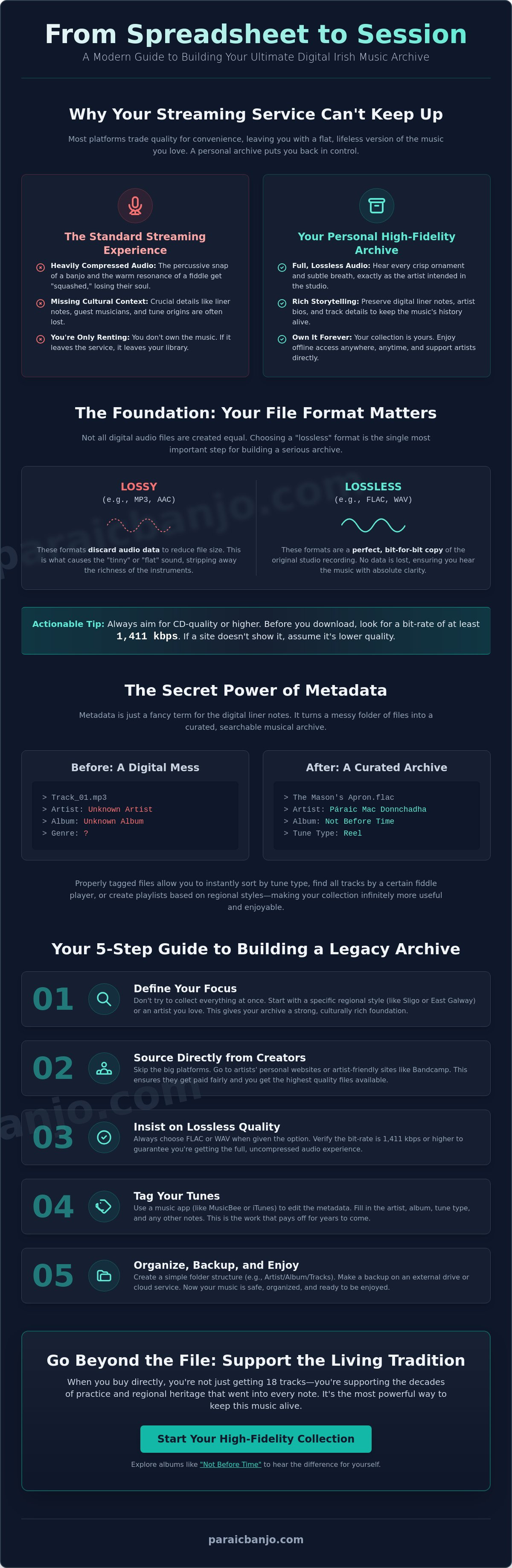
Most big streaming platforms are built for convenience, not for the discerning ear. They use heavy compression to save data, which effectively "squashes" the sound. For a banjo or a fiddle, this means you lose the percussive snap and the subtle resonance of the wood. It sounds flat. Even worse, these platforms rarely include proper metadata. You might see the track name, but you won't see who played the uilleann pipes on track four or where the tune was originally collected. If you want a library that honors the craft, you need to look beyond the "play" button. Actionable tip: Always look for platforms that offer "Lossless" or FLAC downloads. This ensures you're getting every bit of audio data originally recorded in the studio.
Supporting artists directly is the only way to keep this music alive. When you purchase a digital album like Not Before Time – 39 Years in the Making, you aren't just buying 18 tracks; you're supporting the decades of practice and regional heritage that went into every note. It's a direct connection between the listener and the maker.
The Joy of the Personal Archive
There is a unique satisfaction in knowing your library is yours forever. You aren't renting it. Whether you are in a remote corner of Donegal or a busy city, your favorite jigs are available offline in full high-fidelity glory. You can curate a collection that reflects your specific leanings, perhaps focusing on the lift of the Sligo style or the steady drive of East Galway players. This isn't just about music; it's about owning a definitive statement of an artist’s life work. Actionable tip: Start your archive by selecting one regional style you love and finding three independent albums within that niche to build a solid foundation. This keeps your library focused and culturally rich from the very first download.
The Technical Essentials: Quality, Formats, and Metadata
Building a digital irish music collection requires a bit of technical discipline. Think of it as tuning your instrument before the session starts. If the foundation isn't right, the whole performance suffers. In the digital world, that foundation is your file format. You want to ensure the audio has room to breathe, capturing the sharp click of a plectrum or the subtle drone of the pipes. Most listeners settle for standard streaming quality, but as a purist, you know that compressed files often strip away the very "soul" of the instrumentation. By following the National Archives of Ireland's preservation standards for digital media, you can ensure your library remains a high-quality resource for years to come.
Choosing the Right File Format
When you look at digital files, you'll see two main camps: lossy and lossless. MP3s are lossy, which means they throw away audio data to keep the file size small. This is fine for casual listening on a noisy bus, but it's not fit for a serious archive. You should aim for FLAC or WAV files instead. A lossless audio file is a digital record that retains every bit of the original studio recording without any data being discarded. This is vital for instruments like the tenor banjo, where the crispness of the triplet needs to be heard with absolute clarity. Actionable tip: Always check the bit-rate before hitting the download button. You want to see at least 1,411 kbps for CD-quality sound. If a site doesn't list the bit-rate, it's likely a lower-quality file.
The Secret Power of Metadata
Metadata is just a fancy word for the digital version of the information found on a CD case or a vinyl sleeve. Without it, your collection is just a mess of "Track 01" and "Unknown Artist." Proper tagging allows you to sort your library by tune type, such as "Reel," "Jig," or "Hornpipe." This makes it incredibly easy to find exactly what you want to hear when the mood strikes. You should also include the recording year and the names of all the guest musicians. This level of detail helps you track the evolution of a player's style over the decades. To see how this depth of information adds value to the listening experience, take a look inside the liner notes of a well-documented release. If you're ready to start your journey with a project that treats these technical details with the respect they deserve, consider adding the digital edition of my debut album to your growing archive.
Where to Find Authentic Irish Music for Your Collection
Finding the right source for your library is a bit like finding the best pub for a session. Some places are built for the tourists. Others are where the real players hide. When you're building a digital irish music collection, you need to know the difference between a commercial "best of" compilation and a recording that captures the true lift and drive of the tradition. In 2026, the best tracks aren't always on the front page of a major streaming app. They're tucked away in archives or hosted on the artists' own digital storefronts. To build a library with soul, you have to be willing to dig a little deeper into the regional styles that define our music.
Leveraging National Archives
If you want to understand the roots of a tune before you own it, the Irish Traditional Music Archive (ITMA) is your greatest resource. It's a massive "well" of field recordings, rare broadcasts, and manuscripts. I often suggest using these archives for research. You can listen to a specific reel played in the sparse, rhythmic Clare style and compare it to the more melodic, flowing East Galway approach. This is "listening for study." It helps you decide which versions of a tune resonate with you before you commit to buying a high-fidelity copy for your personal collection. Actionable tip: Use the ITMA search filters to look for "field recordings" from specific decades. This is the best way to hear how the music sounded before modern studio effects became the norm.
Supporting Independent Releases
The most authentic music today is often found far away from big labels. Many of the finest players now release their work independently. When you choose to buy traditional irish music direct from artist, you ensure that the person who actually spent forty years honing their craft sees the benefit. These independent releases often come with the digital liner notes and high-resolution files we discussed earlier. It's a win-win for the purist and the musician alike. Actionable tip: Follow your favorite session players on social media or sign up for their newsletters. They often announce "digital-only" tracks or rare live session recordings that never make it to the big storefronts.
Knowing how to buy traditional irish music is about spotting the "real" pulse of a performance. Look for albums that credit the guest musicians and mention where the tunes were collected. Avoid anything with generic, misty-mountain cover art and no player credits. Those are usually over-produced and lose the rhythmic snap that makes a jig or a hornpipe truly dance. Authentic recordings feel alive, even through your speakers. If you're looking for a place to start, my own digital tracks are recorded with that exact session energy in mind, keeping the tradition front and center.
Organizing Your Library: A 5-Step Framework
You've gathered your tracks. You've ensured they are high-fidelity. Now comes the part that separates the casual listener from the true archivist. Building a digital irish music collection is only half the battle; keeping it organized so you can actually find that one specific version of a reel is the real challenge. Unlike institutional archives that use complex library codes, your home system should be built for the way you listen. It should be intuitive, rhythmic, and ready for a session at a moment's notice. Follow these five steps to get your house in order.
Step 1: Choose your home. Decide if your music lives on a physical external drive or a secure cloud service. A dedicated external SSD is a great choice for speed and reliability without slowing down your computer.
Step 2: Set your naming rules. Consistency is your best friend. If you name one file "Artist - Track" and another "Track - Album," your search bar will become your enemy.
Step 3: Organize by tune type. Group your files into folders like "Reels," "Jigs," and "Hornpipes." This reflects how we talk about the music and makes it easy to find a specific rhythm.
Step 4: Capture the visual context. Don't just keep the audio. Save the digital cover art and any associated PDFs in the same folder so you don't lose the "vibe" of the original release.
Step 5: Protect the legacy. Use a simple backup plan. Keep one copy on your computer, one on an external drive, and one in the cloud. It's the only way to ensure 39 years of music isn't lost in a single click.
Naming Your Files for Easy Searching
We've all seen it: a folder full of files named "Track 01" or "Unknown." It's a nightmare for anyone trying to learn a tune. When you're renaming your files, include the key of the tune in the filename. For example, "The Mason's Apron (Reel) - A Major" tells you everything you need to know before you even hit play. If a track contains a "set," which is a sequence of tunes played together, list them all in the filename separated by underscores. This ensures that when you search for any of those tunes later, the file pops up immediately. Actionable tip: Use a bulk renaming tool to fix entire albums at once, which saves you from hours of manual typing.
Managing Digital Liner Notes
In the world of traditional music, the story is just as important as the notes. You want to know who taught the artist the tune or if it was heard at a late-night session in County Clare. When you buy a high-quality release, it often comes with a digital booklet. Create a "Digital Booklet" folder within each artist's directory to store these PDFs. This turns your music folder into a living history book rather than just a list of sounds. If you're looking for a project that provides this level of depth, you can download the digital album of Not Before Time, which includes extensive notes on all 18 tracks. It's the perfect way to see this organization framework in action.
Starting with the Essentials: Not Before Time
Every great archive needs a foundation. You need a recording that sets the standard for everything else you'll add later. When you're building a digital irish music collection, Not Before Time – 39 Years in the Making serves as that anchor. It isn't just a collection of tunes. It's a definitive statement of a lifetime spent in the heart of the tradition. With 18 tracks that crackle with the energy of a live session, it avoids the sterile, over-produced feel of many modern releases. It's the perfect starting point for anyone who values authenticity over commercial sheen.
The Soul of the Tenor Banjo
In a truly soulful recording, you should be able to hear the "lift" in the rhythm. It's that elusive feeling that makes you want to tap your foot or reach for your own instrument. Páraic Mac Donnchadha brings a rhythmic mastery to this project that highlights the subtle differences between regional styles. You'll hear the steady, melodic flow of the East Galway vs Clare music traditions contrasted throughout the sets. This isn't just about playing notes. It's about preserving a specific way of hearing the world. When you listen to these digital tracks, look for that crispness in the triplets and the resonant warmth of the banjo. It's a sensory experience that honors the decades of practice behind every set.
Your First Digital Purchase
Ready to take the first step? Actionable tip: Always start your collection with high-quality downloads that include full historical notes. This ensures you aren't just getting the sound, but the context too. Building a digital irish music collection is a journey that starts with a single, high-quality choice. You can download individual tracks or the full digital album in just a few seconds. There is a real excitement in owning a piece of Irish musical history that you can carry with you anywhere. It's a relief to know that these tunes, which took 39 years to reach this point, are now part of your personal archive. Start your digital collection today with Not Before Time and feel the difference that high-fidelity, culturally rich music makes to your ears. Your journey into the heart of the tradition begins with that first, meaningful click.
Your Journey Into the Living Archive
You now have the roadmap for building a digital irish music collection that respects the past while embracing the future. By focusing on high-fidelity formats and direct artist support, you're ensuring that the rhythmic soul of the music isn't lost to digital compression. Remember to keep those liner notes close and your files organized; it's the context that makes a collection truly legendary. If you're eager to hear the results of nearly four decades of dedication, I invite you to explore the Not Before Time collection and start your library today. You'll get 18 tracks of authentic East Galway style banjo, available as high-quality digital downloads with extensive historical liner notes included. It's a relief to finally share this work with fellow purists who care about the craft as much as I do. These tunes have traveled a long road to get here. Now, they are ready to become a permanent part of your musical story. Let's keep the tradition vibrant together. Happy listening!
Frequently Asked Questions
What is the best file format for a digital Irish music collection?
FLAC and WAV are the gold standard because they are lossless formats that keep every single bit of the original studio recording. While MP3s are smaller, they squash the sound and lose the crisp snap of a banjo or the subtle drone of the pipes. If you are building a digital irish music collection for 2026, always choose these high-resolution options to ensure your library sounds as rich as a live session.
How do I find the stories behind the tunes in my digital library?
You find the history of your tunes by looking for digital liner notes, which are often included as PDF booklets with high-quality album downloads. These notes tell you who composed the tune, where it was collected, and which musicians influenced the arrangement. If your download doesn't include a PDF, check the artist's website or the Irish Traditional Music Archive for historical context. Knowing the lineage of a reel adds a layer of cultural depth to your listening.
Is digital music better than a physical CD for traditional Irish music?
High-resolution digital files offer more detail than a standard CD and provide the convenience of carrying your entire archive in your pocket. While a CD is a wonderful physical keepsake, digital formats make it much easier to search for specific sets during a practice session. You don't have to worry about scratching a disc or finding a CD player. It's about combining modern efficiency with the traditional soul of the tunes.
Where can I buy authentic Irish session music online?
The best place to buy authentic music is directly from an artist's website or platforms that focus on independent releases. This ensures the musician receives the most support and you get the highest quality files available. Avoid generic compilations on big streaming sites that often lack player credits. Look for projects where the focus is on regional styles and instrumental integrity. This direct connection keeps the tradition vibrant and well-funded for the next generation.
How do I organize a large library of Irish reels and jigs?
Organize your library by grouping tracks into folders based on tune type, like "Reels" or "Jigs," rather than just by artist name. This mirrors how musicians actually talk about the music and makes it easier to find a specific rhythm. Use a consistent naming convention that includes the track title and the key of the tune. This system helps you find exactly what you need when you're looking for inspiration for your next session.
Can I support independent Irish artists by buying digital tracks?
Yes, buying digital tracks directly from an artist is one of the most effective ways to support the tradition today. When you skip the middleman of large streaming platforms, more of your contribution goes toward the musician's craft and future recordings. Building a digital irish music collection this way turns you into a modern patron. It allows performers to continue preserving rare regional styles that might otherwise be lost in a commercialized market.
What are digital liner notes and why do I need them?
Digital liner notes are the electronic version of the booklets found inside CD cases, usually provided as a PDF file. You need them because they provide the vital context of the music, such as tune origins and guest performer credits. Without these notes, you're missing out on the rich historical tapestry that makes traditional Irish music so unique. They turn a simple audio file into a complete educational resource for the listener.
How do I back up my digital music collection safely?
Back up your collection using a simple redundancy plan to ensure your music is never lost to a hardware failure. Keep one copy on your main computer, a second on a dedicated external hard drive, and a third in a secure cloud storage service. This protects your library from accidents or technology changes. It only takes a few minutes to set up an automated backup, but it saves a lifetime of musical passion from vanishing.
Comments