How to Create an Authentic Irish Pub Atmosphere at Home with Music

An authentic Irish pub atmosphere doesn’t come from covering every wall in shamrocks. It comes from welcoming people and giving them music worth sharing. With authentic irish pub music, a comfortable room, and a little context, your home can feel like a place where conversation and tunes find their rhythm.
You may already know the feeling you’re after: lively music, good company, and none of the pressure to make your home look like a themed bar. Choose tunes that invite people in, then let hospitality do the rest. Traditional Irish pub music often carries the spirit of a shared session, where the energy comes from musicians playing together rather than from a polished show.
In this guide, you’ll learn how to choose music for the mood of your gathering, create a warm space without overdoing the décor, and share a few details that help guests listen more closely. We’ll also look at how recorded music can anchor the evening, including Páraic Mac Donnchadha’s album, recorded live with expert musicians and accompanied by notes on East Galway and Clare. Keep it welcoming, keep it lively, and let the music bring people together.
Table of Contents
What Makes an Irish Pub Atmosphere Feel Authentic at Home?
An Irish pub atmosphere at home doesn’t require a room makeover. It comes from how people gather: relaxed, welcomed, and ready to share conversation as well as music. A few thoughtful choices can set the scene, but a wall of themed decorations can’t do the hosting for you.
An authentic Irish pub atmosphere is a warm, sociable setting where people can talk, listen to Irish music together, and enjoy an unhurried pace. That spirit matters more than recreating a particular pub interior. A shared playlist or recording can give the gathering a focus, while natural pauses leave room for stories, laughter, and guests’ own musical discoveries.
There’s no single sound that defines every pub or every part of Ireland. Irish music includes different traditions, tunes, and regional approaches. For a broad introduction, explore this overview of Irish traditional music. Then choose authentic irish pub music that suits your guests instead of trying to imitate a live session or meet a fixed checklist of instruments.
Which details matter more than Irish-themed decorations?
Start with comfort and conversation. Arrange seating so guests can see and hear one another, and keep the main listening area clear of clutter. Add a few personal touches, such as a well-loved music book or an object with a story behind it, rather than filling the room with stereotypical props.
Most of all, make people feel included. Welcome guests, offer them a comfortable place to settle, and invite them to listen without making anyone feel they need to know the music already. Shared attention and easy conversation will make the room feel more genuine than decorations alone.
How can music set the mood without taking over?
Begin at a conversational volume, then adjust once people arrive. If guests have to raise their voices, turn the music down. If it disappears beneath the room’s bustle, raise it slightly. Place speakers so the sound reaches the gathering comfortably rather than directing it at a single seat or corner.
Give the tunes room to be heard. Encourage guests to notice a melody, a rhythmic pulse, or the way musicians play together, while letting conversation flow naturally too. Irish pub music can be lively or gentle, instrumental or sung. No single instrument or playing style represents every pub, so let the mood of the gathering guide your choices.
Choose Authentic Irish Pub Music That Suits Your Gathering
There isn’t one definitive sound to copy. Traditional Irish music includes lively dance tunes, songs, quieter passages, and regional approaches that give the music its character. Choose authentic irish pub music for the people in the room and the kind of evening you’re hosting, rather than treating one instrument or playlist as a test of authenticity.
Start with a couple of listening cues. A reel is a brisk dance tune with a steady, driving feel; a jig has a lilting rhythm that often feels like a gentle bounce. You don’t need to identify every tune. Listen for a melody that returns, the rhythm that carries it along, and the way musicians shape the tune together. These are invitations to listen, not rules for deciding what counts as genuine.
Regional styles offer another way in. If you’re curious about how place can influence the sound, explore this guide to East Galway and Clare music. The wider tradition is also rich enough for serious study; University College Cork’s academic study of Irish music is a reminder that this music has depth beyond a pub soundtrack.
What should you listen for in traditional Irish music?
Listen for a melody returning with fresh energy, or for the way a steady pulse lets the tune lift and move. If a reel feels bright and driving while a jig seems to sway, treat that as a starting impression, not a strict definition. Give guests a moment to notice the playing, then let the conversation take its natural course.
How do you choose music for different moments?
As guests arrive, choose accessible tunes that sit comfortably beneath conversation. Once everyone has settled, bring in livelier selections if the room is ready for more focused listening. There’s no need to plan a definitive playlist. Invite guests to share a favourite or suggest a change in mood. For another recorded option, take a look at Páraic Mac Donnchadha’s Irish music, including his debut album recorded live with expert musicians.
Set Up a Home Listening Space for Music and Conversation
A little preparation makes it easier to enjoy authentic irish pub music without turning the evening into a sound check. Walk through the room before guests arrive, try the music from the places where people will sit, and make adjustments while you can still hear what the space needs.
How should you arrange the room?
Set chairs where guests can talk comfortably and still hear the music. Keep the main listening area clear, and reduce avoidable noise by turning off anything you won’t need. Aim for a room that feels lived-in, not staged. You’re making space for people to settle in, not arranging seats for a formal performance.
How can you plan the music flow?
Think of the music in simple stages: a gentle welcome as people arrive, a comfortable level for conversation, and livelier or more focused listening if the evening naturally moves that way. Check that the selections transition smoothly, and leave room for quiet moments. A pause can be part of the atmosphere, not a problem to fix.
Before guests arrive, follow this quick checklist:
1. Arrange the room. Position seating so people can see one another and hear the playback. Clear away anything that blocks the shared space.
2. Reduce background noise. Turn off or move aside distractions you can control, then listen from different parts of the room.
3. Prepare the music sequence. Choose an easygoing opening, music that can sit beneath conversation, and a livelier option for later if it suits the gathering.
4. Test playback. Play a little from the beginning and across a transition. Adjust the volume so the tune is audible without making conversation difficult.
5. Welcome guests before pressing play again. Once people arrive, notice how the room sounds. Lower the volume if voices are competing with the music, or raise it slightly if the tunes are hard to hear.
Keep the plan flexible. A sequence gives you a starting point, not a timetable. Guests may want to talk, listen closely, or suggest a favourite. Let the room guide you, and don’t feel obliged to fill every pause. The best setup helps everyone feel at ease and gives the music its place without asking it to do all the hosting.
Host an Irish-Inspired Gathering That Feels Natural
You don’t need musical expertise to help guests connect with the tunes. A welcoming introduction can be as simple as, “Listen for how the melody comes around again,” or “Notice how the rhythm gives the tune its lift.” Then let people enjoy what they hear. The aim is to open a door, not to deliver a lesson or test anyone’s knowledge.
Keep the gathering relaxed and responsive. Some guests may want to listen closely; others may prefer to chat. Make room for both, and invite people to share a tune or artist they enjoy if it feels natural. There’s no need to follow a performance schedule or keep music playing every moment.
How can you help guests connect with the music?
Offer one listening prompt, then leave space for guests to form their own impressions. If you know a recording’s regional background, share it as a small piece of context, not as a claim that one sound represents all of Ireland. Curious questions are welcome; nobody needs to know tune names or instruments to join in.
What small hosting choices make guests feel welcome?
Let guests know they can talk, listen, or suggest something they enjoy. If a tune sparks a question, share what you know plainly, or enjoy exploring the answer together. Keep the focus on company rather than getting every detail right. The music can bring people together without becoming the evening’s only activity.
For context to share, Páraic Mac Donnchadha’s debut album, Not Before Time - 39 Years in the Making, features 18 tracks recorded live with expert musicians. Its liner notes include stories and historical context connected to East Galway and Clare, offering guests a way into the music beyond the sound itself. You can also explore this guide to traditional Irish session music CDs for ideas about recordings to listen to together.
Pick one tune to introduce, offer a simple prompt, and see where the conversation goes. If you’d like a recorded soundtrack for your gathering, explore Páraic’s recorded Irish music, including the album and individual digital tracks.
Bring the Sound of an Irish Session Home with a Thoughtful Recording
A thoughtfully chosen recording can give a gathering a shared point of focus. Guests can listen together, notice how musicians play off one another, then return to conversation when the tune ends. It’s a simple way to bring the musicianship and communal spirit associated with authentic irish pub music into your home, without suggesting a recording is the same as musicians gathering to play in person.
There’s no single album that defines Irish music, and your choice doesn’t have to. Pick a recording that suits the mood you want, whether it’s gentle background listening or a moment to pause and give the music your attention. If guests are curious, liner notes or artist background can offer context and help the listening feel more personal.
What can listeners discover in Not Before Time?
Irish tenor banjo player Páraic Mac Donnchadha’s debut album, Not Before Time - 39 Years in the Making, brings together 18 tracks recorded live with expert musicians. Its liner notes share historical context and stories connected to East Galway and Clare, giving listeners more to explore without needing to know the background in advance.
Try listening together first, then share a detail from the notes that catches your interest. To learn more about how the album came together, read the story behind Not Before Time.
How can you choose a listening format?
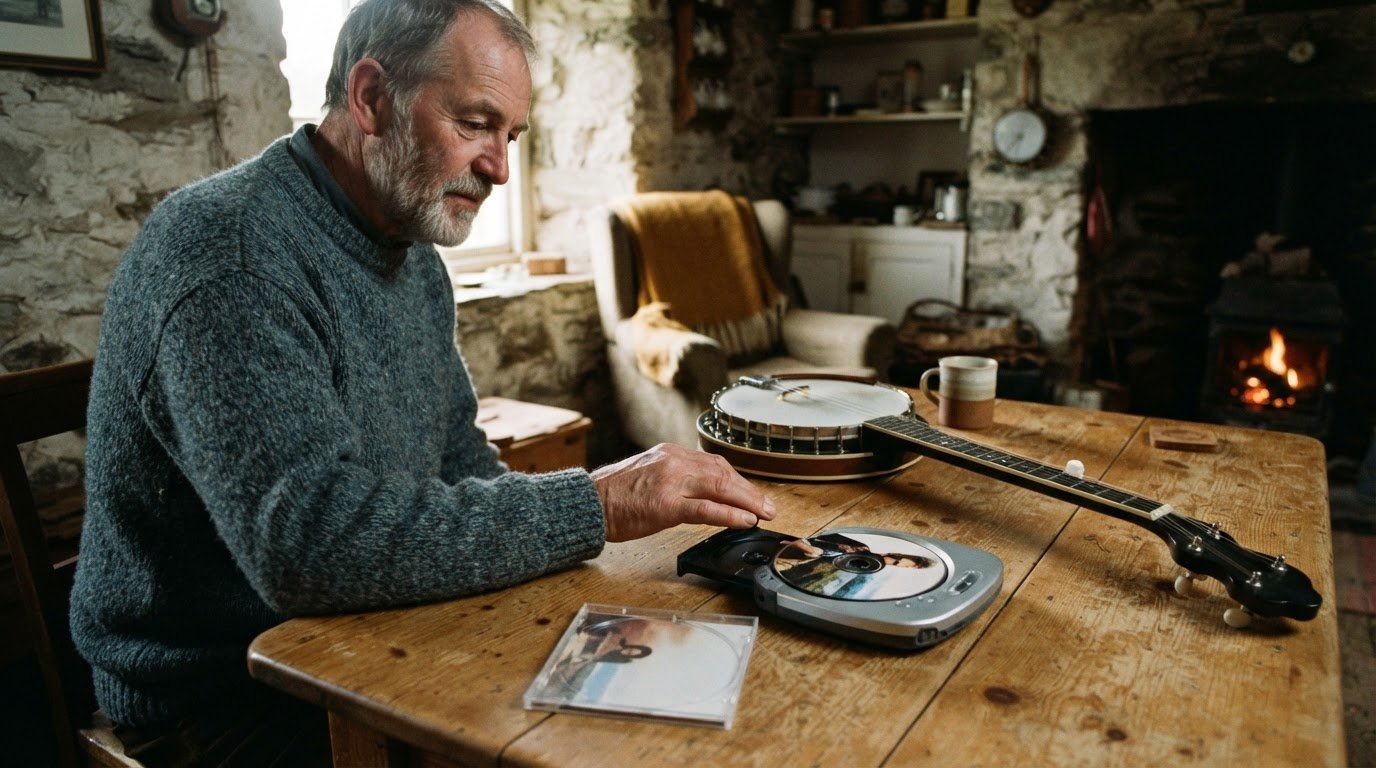
Choose the format that fits how you like to listen. The album is offered as a digital download and a physical CD; check the website for current CD availability. Individual digital tracks are another option if you’d like to explore selected music rather than start with the full album. Whichever format you choose, set aside a moment to listen without rushing on to the next thing.
If you’d like to hear Páraic’s music, explore Páraic’s music and choose a recording to hear.
Let the Music Bring Everyone Together
You don’t need a pub-style makeover to create a memorable evening. A comfortable room, music chosen for your guests, and space for conversation will do more to set the mood than themed props. Start at a volume that lets people talk, then give the tunes a little more attention when the moment feels right. A short story about a tune, instrument, or region can help guests listen with fresh curiosity without turning the gathering into a lesson.
That’s the heart of authentic irish pub music at home: sharing the sound and the company while letting the evening unfold naturally. A thoughtful recording can give everyone a musical thread to follow. Páraic Mac Donnchadha’s Not Before Time - 39 Years in the Making brings together 18 tracks recorded live with expert musicians, with liner notes offering context and stories connected to East Galway and Clare.
Explore Páraic's Irish music and listen for yourself. Choose a recording, welcome your guests, and let the conversation and music find their own rhythm.
Frequently Asked Questions
What music should I play for an authentic Irish pub atmosphere at home?
Choose traditional Irish tunes that suit your guests and the mood you want, rather than searching for one definitive sound. Reels and jigs bring lively energy, while songs or gentler instrumental selections can work well for relaxed listening. A good mix of authentic irish pub music gives the evening variety. Start with music that sits comfortably beneath conversation, then invite guests to listen more closely or share a favourite.
How can I create an Irish pub atmosphere at home without themed decorations?
Focus on comfort, conversation, and hospitality instead of themed props. Arrange seating so guests can talk easily, keep the listening area uncluttered, and play music at a level that doesn’t drown out voices. A few personal objects can make the room feel welcoming, but they’re optional. Greet people warmly, make space for different levels of familiarity with the music, and let the gathering develop naturally.
Can I create an Irish pub atmosphere at home with recorded music?
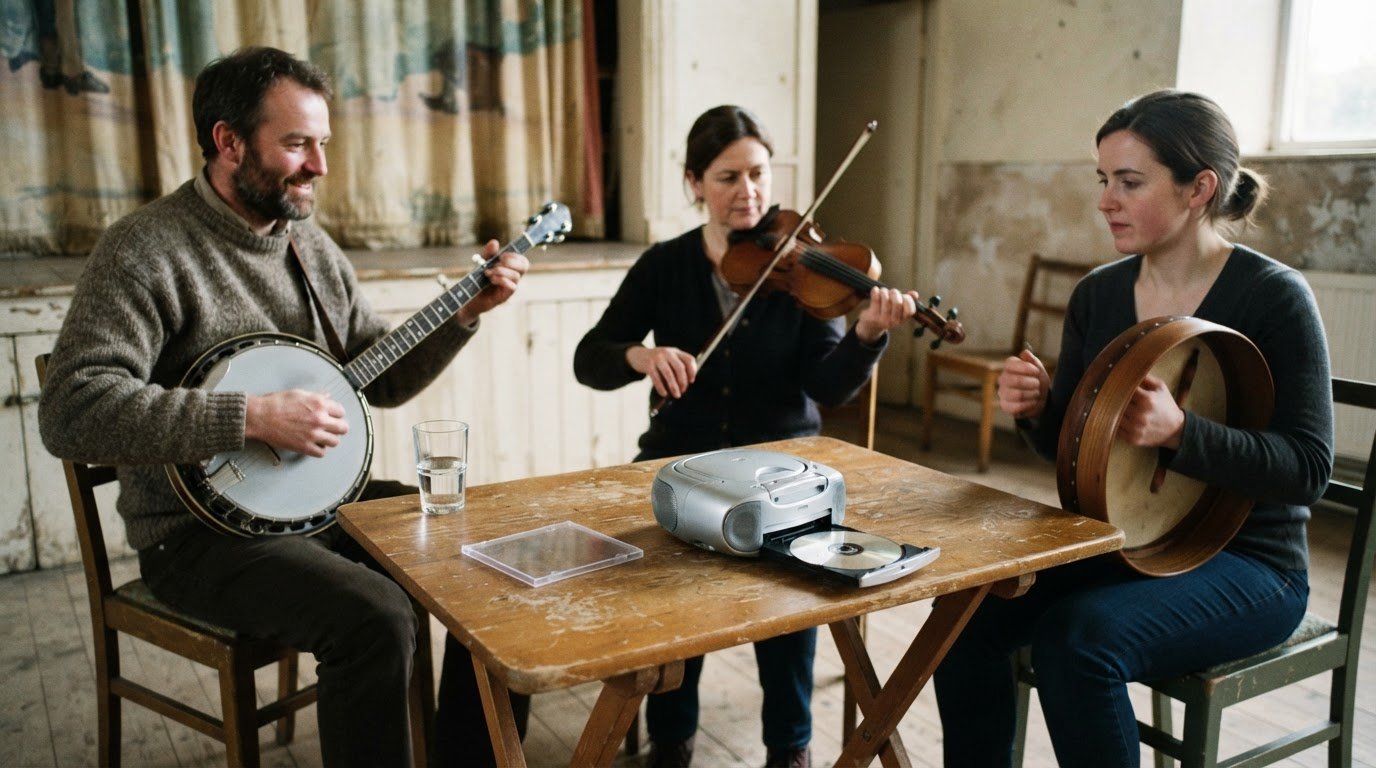
Yes. A recording can give guests a shared listening focus and bring traditional musicianship into your home, even though it isn’t the same as musicians playing together in person. Test your playback beforehand, begin at a conversational volume, and adjust once people arrive. You might also share a little context about the recording or invite guests to notice how the melody and rhythm work together.
What is the difference between a reel and a jig?
A reel is a lively dance tune commonly played in four beats, while a jig has a lilting pulse commonly grouped in threes. You can hear the difference without counting: a reel often feels brisk and driving, while a jig may have a bouncing, swaying quality. These are simple listening clues, not strict tests. Traditional musicians shape tunes in varied ways, so focus on what you hear.
How do I choose Irish music for a home gathering?
Think about the mood and how closely you want guests to listen. Start with accessible selections as people arrive, then choose livelier tunes if the gathering becomes more animated. If you want a quieter atmosphere, mix in gentler music and leave room for conversation. You can prepare a sequence in advance, but keep it flexible and ask guests if they’d like to suggest a tune or artist.
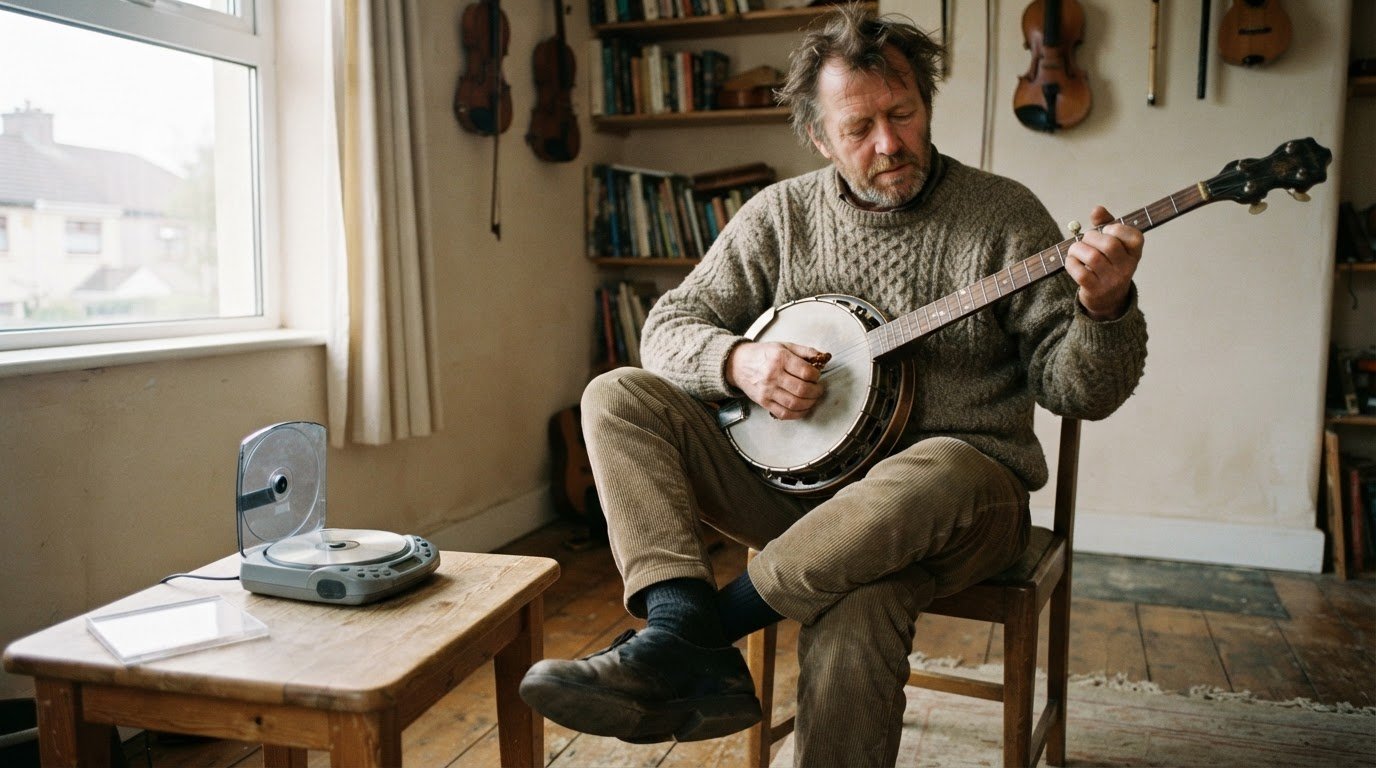
Can a banjo recording work as background music for a gathering?
Yes. A banjo recording can add a bright, rhythmic layer to the room, especially at a volume that allows conversation to continue. Try a short section before guests arrive and listen from different seats to check how it sounds. If people begin paying closer attention, give the music a moment in the foreground. A banjo is one voice in Irish music, not a requirement for every gathering.
What is Not Before Time - 39 Years in the Making?
Not Before Time - 39 Years in the Making is the debut album by Irish tenor banjo player Páraic Mac Donnchadha. It features 18 tracks recorded live with expert musicians, with liner notes sharing historical context and stories connected to East Galway and Clare. The album is offered as a digital download, and a limited-edition physical CD is listed. Check the website for current CD availability.
Comments