Limited edition Irish music CDs: Notable tunes and sound quality

Rarity alone doesn’t make a limited edition Irish music CD worth keeping. The tunes and recording matter just as much. Listen for lively melodies, distinct instruments, and a sound that lets the music breathe.
If you love the lift of traditional Irish music, you’ll know a memorable recording is about more than speed or sparkle. Clear detail helps you hear the rhythmic pulse and the musicians playing together. A thoughtful mix can bring folk and rock influences into the tradition without losing its roots.
Here, you’ll learn what tunes and recording qualities to look for when choosing a CD, and how Irish traditional music finds fresh expression alongside folk and rock. We’ll also explore what makes a physical edition rewarding to own, from the music itself to the listening experience. Put the kettle on and listen closely: small details can make a session feel wonderfully alive.
Table of Contents
Notable tunes and recording quality
Traditional Irish music experienced a renaissance from the 1960s onwards, and recordings from that period capture a changing sound. Ceoltóirí Chualann originally came together in 1960, bringing traditional music into fresh arrangements. Their work offers a useful listening reference: notice how the tune’s melody sits alongside the pulse and the musicians’ interplay. A lively performance can feel full without every instrument competing for attention.
Seán Ó Riada’s influence is closely associated with this musical shift. Ó Riada sa Gaiety was recorded in 1969 and is ranked fifth in the page’s list of traditional Irish albums. Rather than judging it by its position, listen for the qualities that make a recording compelling to you. Follow the lead melody, then notice how accompaniment supports its shape and momentum.
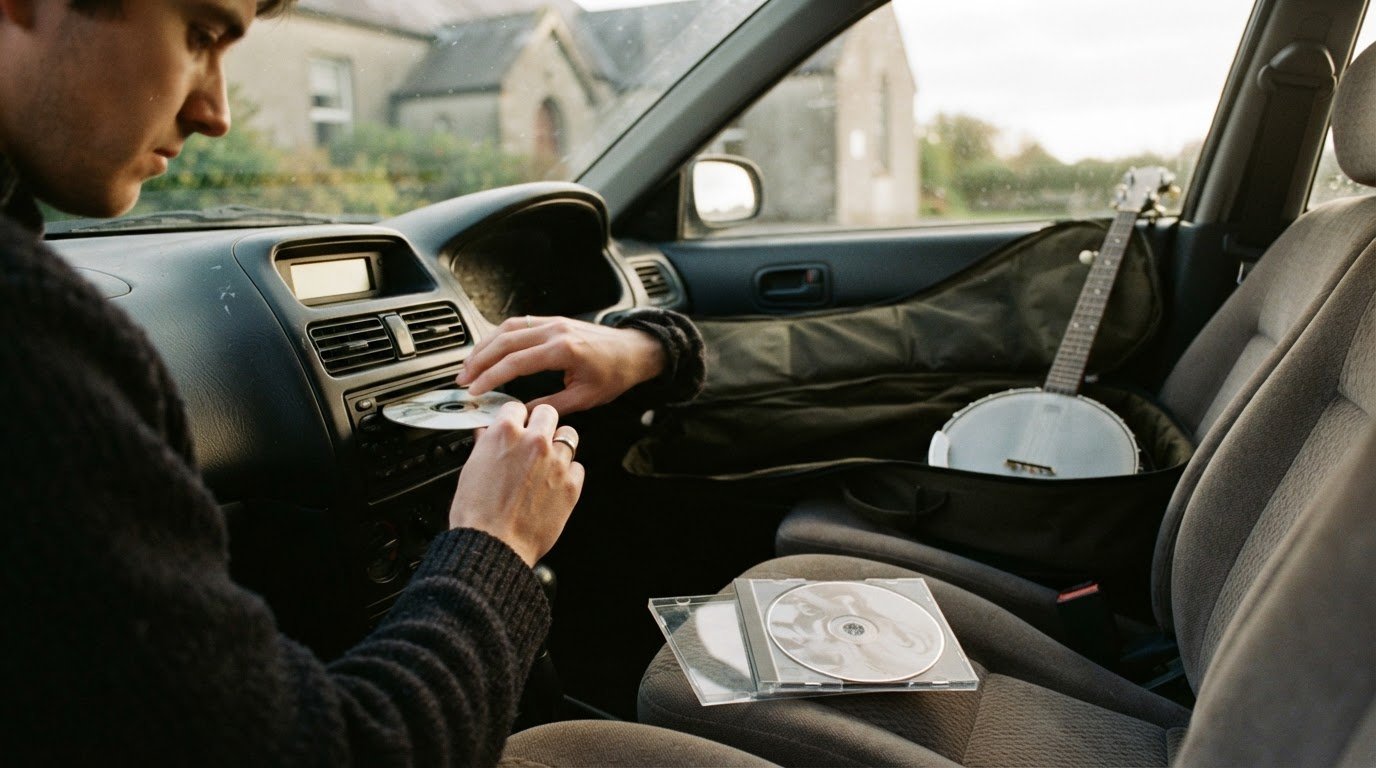
The Chieftains provide another landmark name to explore: Paddy Moloney formed the group in 1962. Compare a track by The Chieftains with one by Ceoltóirí Chualann. Listen for changes in arrangement, pace, and the balance between melody and accompaniment. Then replay a passage at a lower volume. If the main tune remains clear, the recording may feel more comfortable for longer listening.
Try these steps when evaluating a CD’s sound:
Choose a tune you know. A familiar reel or song makes it easier to notice whether the melody stays distinct.
Listen for separation. Pick out each instrument in a busy passage without the mix becoming muddy.
Notice dynamics. A quieter phrase followed by a stronger lift should feel expressive, not harsh.
Replay a short section. Compare the same passage across tracks or editions, using the equipment you normally listen on.
Recording quality isn’t simply about loudness or polish. A close, clean sound can reveal quick ornamentation, while a roomier recording may make the ensemble feel more spacious. The useful test is whether you can hear the tune’s shape and the musicians’ rhythmic give-and-take. If folk or rock elements appear in an arrangement, listen for how they sit beside the traditional melody rather than judging them as a separate layer.
Used and out-of-print Irish limited edition CDs have no fixed value. Condition, scarcity, demand, and edition details all affect what collectors may pay. Compare the disc, packaging, and edition information, then weigh the asking price against the item’s condition and appeal.
What limited edition Irish music CDs are currently available?
Irish musicians offer different combinations of physical CDs and digital releases. Some sell both formats, while others offer downloads only. Start by deciding whether you want a disc to collect or music for digital listening, then look for releases that match.
A “limited edition” label should describe a particular release, not simply the fact that it’s a CD. Look for clear edition wording in the listing, including whether it identifies a limited release and names the format. Special packaging and a standard CD aren’t automatically the same edition, so don’t infer rarity from the cover alone.
Use these practical checks when comparing a release:
Read the format description. Identify whether the listing is for a physical CD, a digital album, or individual digital tracks.
Find the edition wording. Look for an explicit limited-edition description rather than assuming every physical copy is limited.
Review the track listing. See whether the release offers a complete album or selected tracks.
Check the artist attribution. Confirm that the release is credited to the musician or group you want to hear.
Match the format to your listening habits. Choose a disc for a CD player or a download for compatible digital listening.
Páraic Banjo is one place where some Irish musicians sell CDs and digital downloads; others offer downloads only. Formats vary by artist, so read the specific release description before choosing. If a listing presents several options, compare their details rather than assuming they contain identical material.
For traditional session music, explore Irish musicians’ release listings and read the track information. A named album, clear format, and explicit edition wording make each option easier to assess. Compare a physical edition with a download by checking what each listing says you’ll receive.
Artists may offer different formats for their releases. Read the release details and choose the recording format that best suits how you want to listen or collect.
Which Irish artists have released limited edition CDs?
Start with names rooted in traditional Irish music, then check the details for each recording. Seán Ó Riada, Ceoltóirí Chualann, and The Chieftains are useful starting points for exploring how Irish music has been performed and presented across generations. Their recordings show different approaches, from arranged traditional material to lively ensemble playing. A limited-edition label, however, applies to a particular release, not an artist’s entire body of work.
Seán Ó Riada is closely associated with the renewed public profile of traditional music. Ó Riada sa Gaiety is a named recording from his work. Its title can help narrow a search, but the album name alone doesn’t establish that a particular CD pressing is limited. Check the specific release listing for edition wording, and distinguish the original recording from later physical editions.
Ceoltóirí Chualann is another important group to explore. Under Ó Riada’s direction, the ensemble brought traditional musicians together, making its recordings a natural path for listeners interested in arranged Irish tunes. Search the group’s exact name, then read each listing’s track and format details. This helps distinguish an album credited to the ensemble from a compilation or reissue that simply includes its music.
Paddy Moloney and The Chieftains are also central names for a broader listening journey. Follow the group’s credited releases and note whether a CD is an album, compilation, or special edition. Those descriptions matter: one release may be collectible for its packaging or edition status, while another is a standard issue. Don’t assume rarity from an artist’s reputation alone.
Use this quick method to assess a named artist’s CD:
Search by artist and release title. For example, pair “Seán Ó Riada” with Ó Riada sa Gaiety.
Read the edition description. Look for explicit limited-edition wording tied to that physical release.
Check the credit. Confirm whether the artist is the performer, arranger, or a contributor to a compilation.
Compare the track listing. A familiar title can appear on different collections with different selections.
Note the format. A CD edition and a digital release are separate products.
These names offer a useful starting map, not a complete catalogue. Explore Ó Riada for context, Ceoltóirí Chualann for ensemble arrangements, and The Chieftains for a group-led take on traditional Irish music. Then assess each physical release individually. The artist’s name tells you where the music comes from; the specific edition details tell you what kind of CD you’re considering.
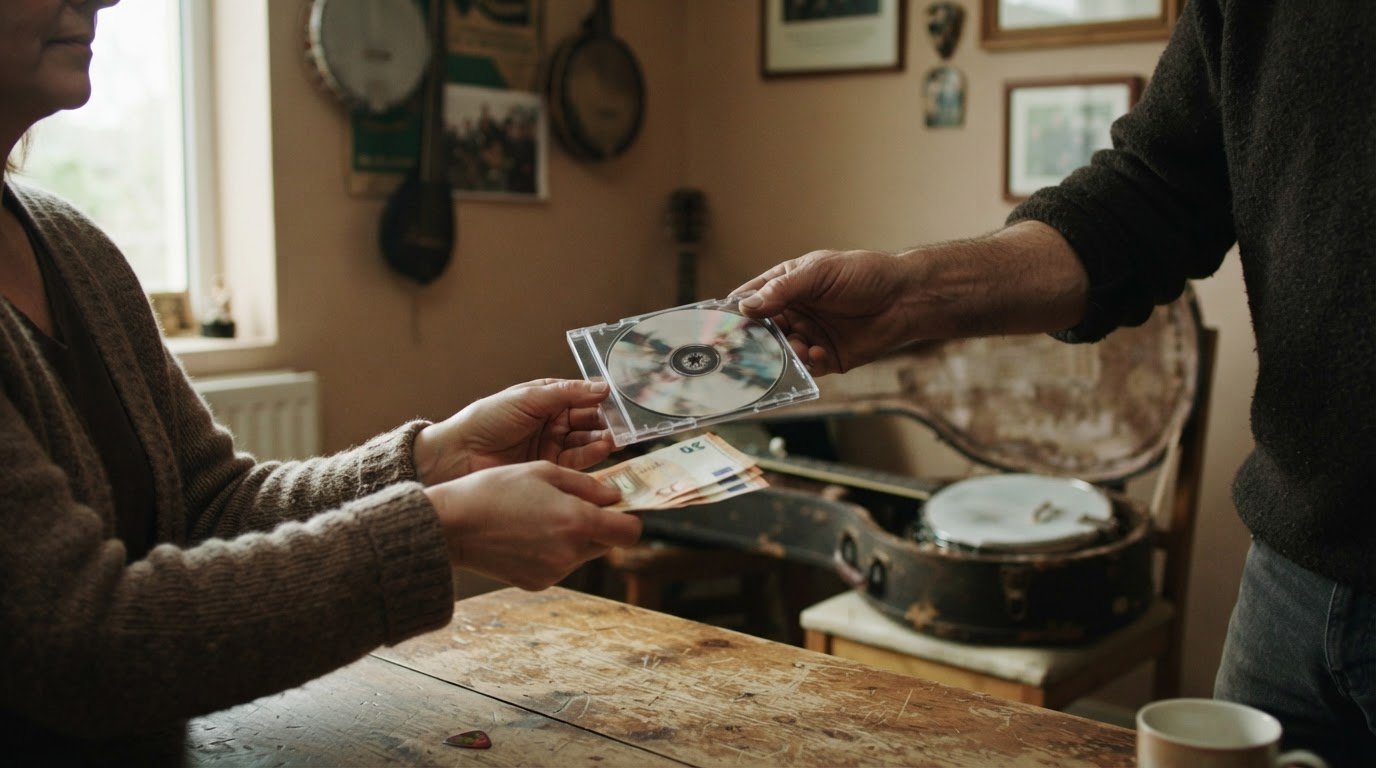
Where can I buy limited edition Irish music CDs in the United States?
For a U.S. buyer, Bandcamp is one place to look. Some Irish musicians sell CDs and digital downloads there, while others offer downloads only. Search by the musician’s name and album title, then read the listing carefully. A digital album isn’t a physical CD, even when both options appear together.
An artist’s own release page can also help identify an edition. Search using the artist name, album title, and words such as “limited edition.” Compare the result with the artist’s description before choosing. A search result may point to an old release, a reissue, or a digital version rather than the physical edition you want.
Bandcamp listings can vary, so assess each format separately. Check whether the page describes a CD, a digital album, or individual digital tracks. Then review the track listing and edition description. If you want a collectible disc, the listing should clearly identify a physical CD. An album title alone doesn’t tell you which format is offered.
Search the artist’s exact name. Add the album title to narrow results and avoid similarly named musicians.
Read the format label. Distinguish a physical CD from a digital album or individual tracks.
Look for edition wording. Confirm the listing describes a limited edition, rather than assuming every CD is limited.
Review the track information. Match the listed songs to the recording you intend to buy.
Check delivery details for U.S. orders. Read the seller’s stated shipping options, costs, and destination information before completing a purchase.
For a U.S. order, shipping details matter alongside the music. The seller’s listing should show whether physical CDs can be sent to your destination and which delivery options apply. Don’t assume a digital-download listing includes a disc, or that international and domestic orders follow the same terms. Use the details shown for that specific release.
To compare two editions, note the artist, title, format, edition wording, and track list. Then review the seller’s delivery information for your U.S. address. This gives you a clear basis for choosing between a collectible CD and digital listening. Bandcamp can be a useful starting point, but each artist’s listing determines which formats are offered. Choose a release that suits your listening habits and a format you’ll enjoy returning to.
How much do limited edition Irish music CDs cost
There’s no single price for a limited-edition Irish music CD. Value depends on the particular release and what buyers are willing to pay. An asking price is the seller’s expectation, not proof of what a copy is worth. For a realistic comparison, look for completed sales of the same release and edition rather than relying on unrelated listings.
Condition can make a meaningful difference to a used copy. A disc that plays cleanly and has intact packaging is not equivalent to one with visible wear or missing components. Read condition descriptions closely, and use clear photos to assess the case, artwork, and disc surface. For older releases, the completeness and condition of original inserts can also affect collector interest.
Other factors shape a listing’s price:
Collector demand. Interest in a particular artist, recording, or pressing can influence what buyers consider worthwhile.
Edition evidence. Specific details identifying a release help distinguish it from a standard issue or later reprint.
Provenance. A clear history of the copy can matter to collectors, especially when an edition’s identity is not obvious.
Seller terms. Shipping charges and return conditions affect the total purchase and the buyer’s confidence.
Market timing. Interest can shift as collectors seek different recordings or available copies change.
For an out-of-print CD, scarcity may attract attention, but it doesn’t guarantee a high sale price. A rare copy in poor condition may appeal less than a well-kept one, while a sought-after recording can draw interest without elaborate packaging. Compare the exact item and its condition, not just the artist or album title. That gives you a better sense of whether the asking price fits your collecting goals.
Think about the value you’re seeking before deciding. A listener may care most about owning the music, while a collector may value the original packaging or edition history more. Those priorities can lead to different judgments about the same CD. Set a personal spending limit, include delivery charges, and don’t treat a high listing price as proof of market value. Assess each copy on its own merits.
Ready to make your next collecting decision? Decide whether listening, condition, or edition history matters most, then let that priority guide your search. A considered choice is more rewarding than chasing a high price simply because a seller calls a release rare.
Páraic Banjo
Páraic Banjo is a natural next step if you’re looking for Irish music rooted in traditional session playing. Not Before Time - 39 Years in the Making brings together 18 tracks, recorded live with expert musicians. Choose the physical CD or digital album for the complete collection, or individual digital tracks if you’d rather start with selected tunes.
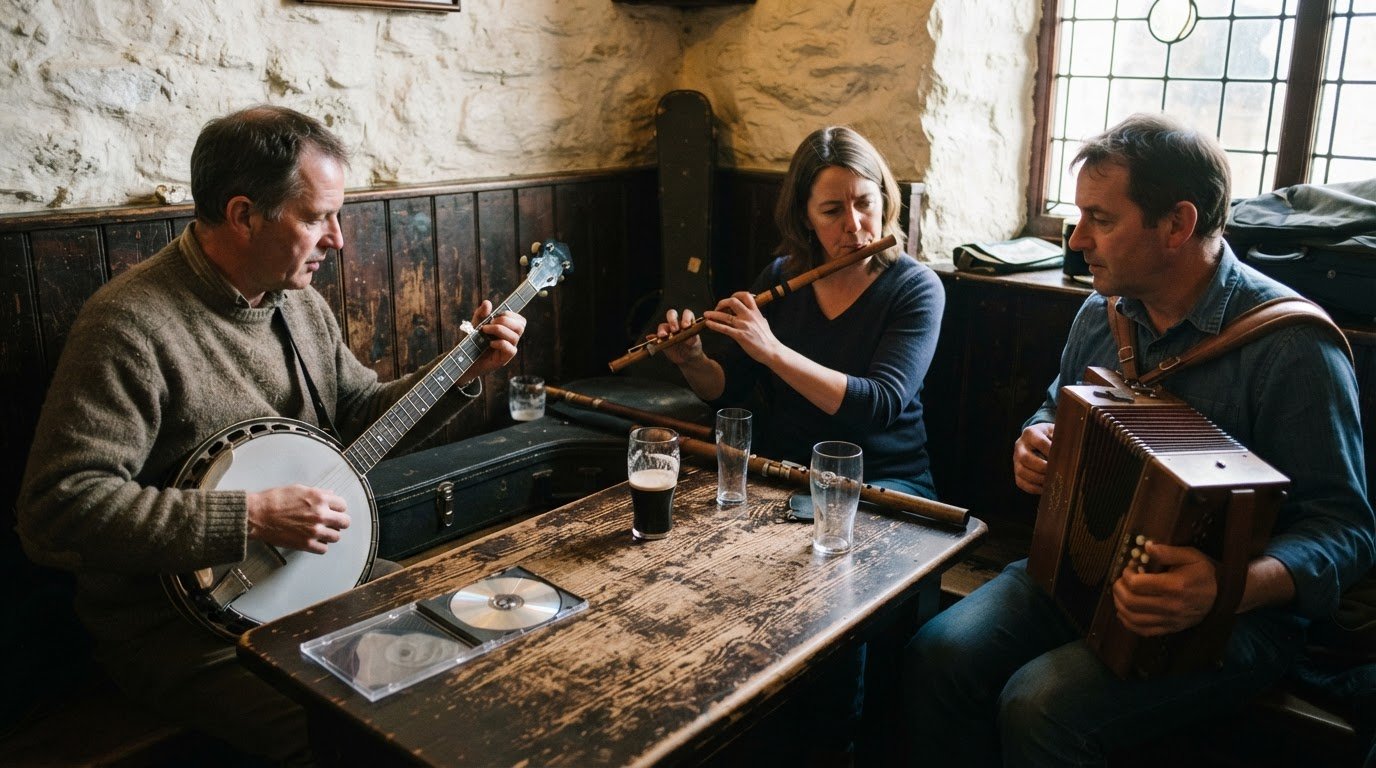
The recording lets you hear Páraic Mac Donnchadha’s rhythmic tenor banjo alongside fellow musicians. It’s a fitting choice if you want a contemporary release rooted in Irish traditional music rather than a historical reissue. Consider which format suits how you listen and collect, then explore the album or tracks that appeal to you.
For more about the music, contact Páraic Banjo.
Choose the recording that keeps calling you back
A limited-edition Irish music CD can be more than a collectible; it can keep a particular sound close. Let your next choice reflect what you want from the music: the warmth of a physical disc, a complete album for digital listening, or selected tunes to revisit. The right fit is the one you’ll want to play again.
At Páraic Banjo, you can explore Not Before Time - 39 Years in the Making as a physical CD or digital album, or choose individual digital tracks. Pick the listening format that suits you, and let the music lead from there.
Contact Páraic Banjo about Irish music and take the next step toward a sound worth returning to. Slán, and happy listening.
Frequently Asked Questions
What Irish folk and traditional music CDs have limited-edition releases?
One confirmed example is Páraic Banjo’s Not Before Time - 39 Years in the Making, offered as a limited-edition physical CD. For other titles, look for edition wording tied specifically to the physical release; an artist’s name or a well-known album title doesn’t establish that a particular pressing is limited. This distinction helps separate collectible editions from standard CDs and digital versions.
What are the rarest or most collectible Irish music CDs?
A CD’s collectibility depends on its condition, scarcity, demand, and edition details. Check that the listing explicitly identifies a limited edition rather than assuming rarity from the artist or cover.
Comments