Music from the West of Ireland: A Guide to the Soulful Sounds of Galway and Clare

Have you ever felt like every Irish tune you hear sounds exactly the same, polished to a shine but missing its soul? It's a common frustration for folks looking for the real deal, especially when modern recordings feel more like pop songs than a late-night session in a cozy pub. If you're tired of over-produced tracks and want to hear the actual pulse of the tradition, you've come to the right place. We're diving deep into the authentic music from the West of Ireland, where the landscape itself seems to dictate the rhythm of the banjo and fiddle.
I know how hard it is to find recordings that capture that elusive "lift," which is just a musician's way of describing the rhythmic energy that makes you want to tap your feet. I'll show you how to spot the specific differences between the steady, soulful heartbeat of East Galway and the bright, driving swing of County Clare. This guide promises to help you identify these regional styles and understand the history behind the tunes. We'll even explore why CD sales grew by 16% in early 2026 as more people seek high-fidelity sound. You'll learn how to build an authentic collection with recordings like "Not Before Time – 39 Years in the Making" so you can experience pure, session-style mastery.
Table of Contents
What Defines Music from the West of Ireland?
To understand the heart of traditional music from the West of Ireland, you have to look beyond the notes on a page. This isn't just a collection of tunes; it's a living, breathing blend of rhythmic precision and deep, soulful expression. While some styles of Irish music focus on blistering speed, the Western tradition prioritizes the "lift" or the internal swing that makes a tune feel alive. It's a sound that manages to be technically demanding while remaining incredibly warm and inviting.
The sound is often described as "lonesome," a term that captures the haunting beauty of the rugged landscape in Galway and Clare. This isn't a sadness, but rather a reflection of the wide, wild spaces and the Atlantic wind. Historically, the Music of Ireland was kept alive in small kitchens and parlors through house sessions. These intimate gatherings ensured that tunes weren't just for dancing; they were for storytelling, with every ornament and variation adding a new chapter to a community's shared history.
The Instruments of the West
If you've spent any time in a Galway session, you'll know the tenor banjo is a absolute staple. Its percussive nature provides a sharp, clear counterpoint to the fluid lines of the fiddle and the rich bellows of the accordion. In this region, the interplay between these instruments is like a conversation among old friends. Páraic Mac Donnchadha’s rhythmic style is a masterclass in this heritage, focusing on a steady, driving pulse that anchors the melody. You can hear this authentic interaction across the 18 tracks of his debut album, Not Before Time – 39 Years in the Making, which captures that raw session energy perfectly. Try listening for the banjo's "pop" next time you hear a reel; it's the secret to finding the rhythm.
Landscape and Melody
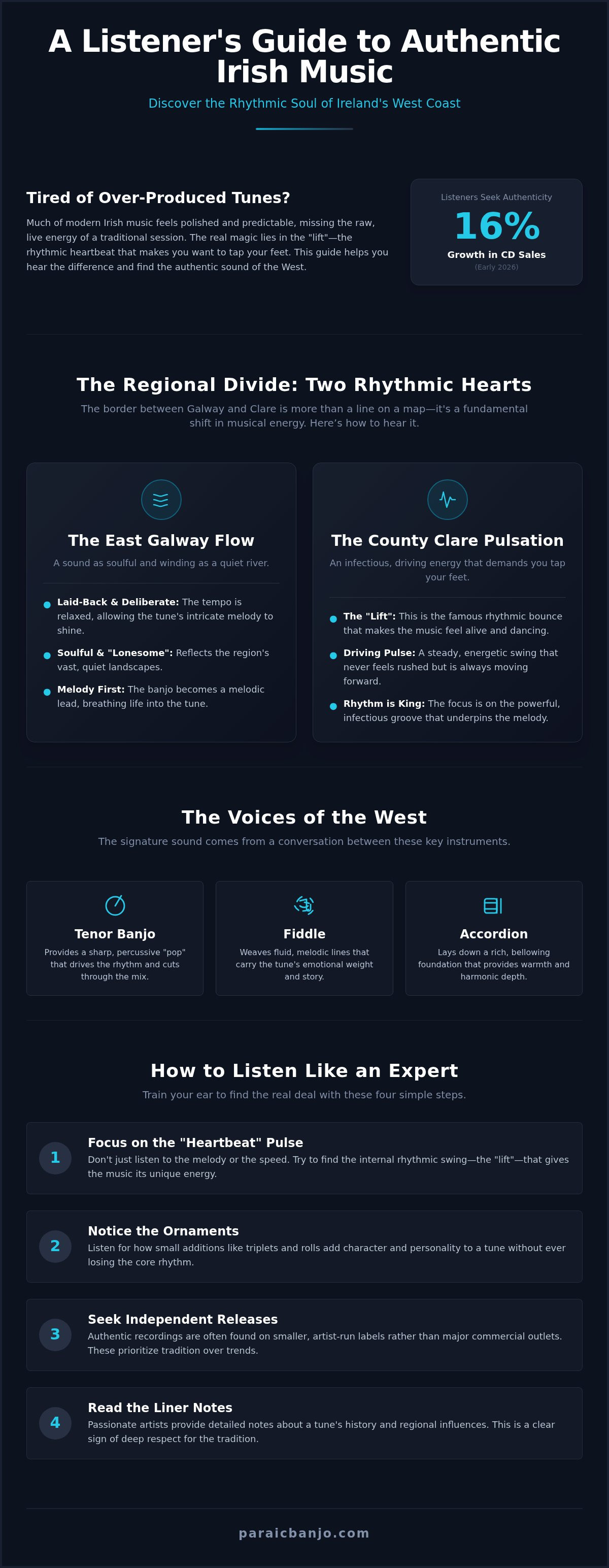
The wild energy of the reels often mimics the crashing waves of the Atlantic coast, while the more isolated pockets of East Galway helped preserve older, slower-paced styles that might have been lost elsewhere. This isolation allowed a unique "dialect" to form, one that favors melody and soul over sheer velocity. Regional style is the unique musical dialect of a specific community. If you want to experience this firsthand, you can pick up a Physical CD of Páraic’s work to read the detailed liner notes that map out these specific local influences. It’s a great way to start your own collection of music from the West of Ireland while supporting the artists who keep these traditions thriving.
The Rhythmic Pulse: East Galway vs. Clare Styles
For traditional music purists, the border between Galway and Clare isn't just a line on a map. It's a shift in the very air you breathe. While both counties contribute to the rich tapestry of Traditional Irish Music, they do so with distinct rhythmic heartbeats. Understanding these subtle differences is the key to truly appreciating music from the west of ireland. It's the difference between a soulful, winding river and a pulsing, energetic tide.
These two regions are often considered the "holy grail" for enthusiasts because they've preserved styles that feel untouched by modern commercialism. Whether it's the melodic complexity of a Galway reel or the infectious bounce of a Clare jig, the music here demands your full attention. It's about feeling the music in your bones rather than just hearing it with your ears.
The East Galway Flow
The East Galway style is often described as "laid-back." It isn't lazy; it's deliberate. The tempo is slightly slower than what you might hear in a Dublin pub. This relaxed pace allows the intricate beauty of the melody to really shine through. It’s deeply soulful and often carries that "lonesome" quality we discussed earlier. This approach has had a massive influence on how the tenor banjo is played in the region. Instead of just being a percussive instrument, the banjo becomes a melodic lead that breathes with the tune. For a deeper dive into these nuances, you should read this guide on East Galway vs Clare Music: A Guide to the Rhythmic Soul of the West.
The Clare Pulsation
Cross the border into County Clare and the energy shifts. Here, musicians talk constantly about the "lift." If you’re in a session and find your foot tapping uncontrollably, you’ve found it. Lift is that rhythmic energy that makes the music feel like it’s bouncing. It’s a steady, driving pulse that never feels rushed but always feels moving. This "swing" is essential for dance music; it provides the momentum that keeps a set dance flowing. Clare musicians use specific ornamentation, like tight rolls and triplets, to accentuate this rhythm. In modern recordings, these two styles often merge to create a comprehensive Western sound. You can hear this beautiful marriage of styles on the 18 tracks of Not Before Time – 39 Years in the Making. If you want to hear how these regional rhythms interact in a live session setting, you can browse the digital tracks from the album to find your favorite style.
How to Listen: Tips for Identifying Authentic Irish Music
Listening to traditional music isn't just a passive experience; it's an active search for the heartbeat of a culture. To truly appreciate music from the west of ireland, you need to look past the surface melody. Start by focusing on the "heartbeat," which is the steady, driving pulse that sits underneath the notes. While beginners often get distracted by how fast a player's fingers move, seasoned listeners know that the real magic happens in the rhythm. If you can feel that pulse, you’re halfway to understanding the soul of the West.
You’ll also hear little flourishes called ornaments. Think of these as the "accent" of the musical language. A "roll" or a "triplet" is just a way of adding flavor to a note without changing the actual tune. They provide texture and character, much like a regional dialect adds color to a conversation. If you want to hear these details clearly, avoid "Celtic" fusion or over-produced studio albums. Instead, look for "unplugged" or live session recordings where the raw, regional styles of Galway and Clare aren't buried under synthesizers or heavy percussion.
Finding the 'Lift'
One of the best ways to engage with the music is to tap your foot. But here’s a pro tip: try tapping on the "off-beat." In a Clare session, this is where you’ll feel the "lift," that rhythmic buoyancy that makes the music feel like it’s floating rather than marching. Don't be fooled by speed, either. Often, a slightly slower tempo indicates a more masterful player because it requires immense control to let the melody breathe. You can hear this deliberate mastery across the 18 tracks of Not Before Time – 39 Years in the Making, where the rhythm is always the priority. If you're struggling to hear it, try listening to some individual digital tracks to focus on one instrument at a time.
The Importance of Session Etiquette
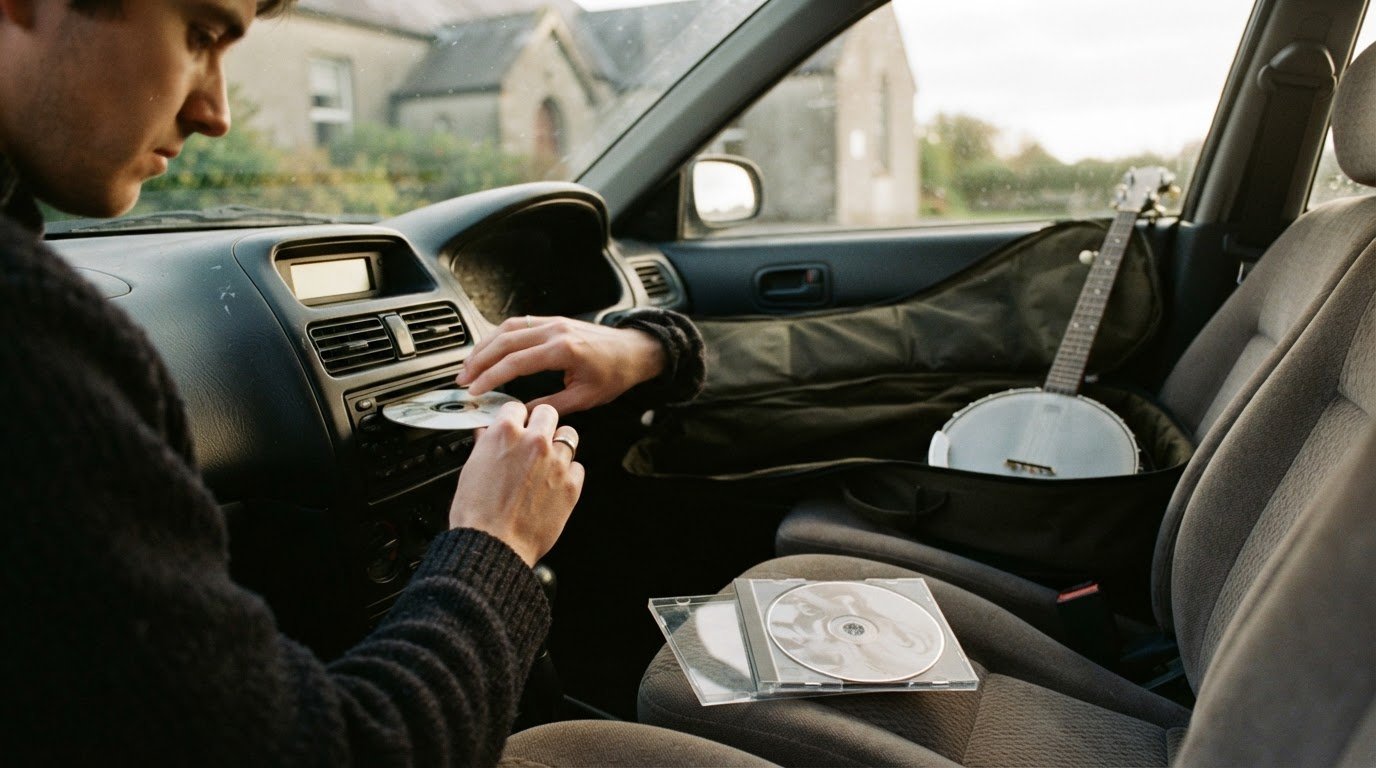
If you find yourself in a pub in Galway or Clare, remember that session music is a democratic conversation between masters. It’s not a performance for an audience; it’s a shared experience among the musicians. When you listen to a high-quality recording, you're looking for that same "live" energy where the instruments seem to be responding to one another in real time. For the most authentic experience, I always recommend starting with a Physical CD. The detailed liner notes act as a map, helping you identify who is playing and why certain tunes are paired together. It’s the closest you can get to sitting in the corner of a quiet pub, soaking in the music from the west of ireland as it was meant to be heard.
Building Your Collection of Music from the West of Ireland
Creating a library of music from the west of ireland is a journey into the heart of a living tradition. It isn't just about clicking a "follow" button on a streaming app. It's about curation. If you want the real deal, you have to look beyond the top charts and find the independent voices that keep the regional heartbeats of Galway and Clare alive. Here is how you can build a collection that truly represents the soulful sounds of the West.
Start with independent releases. These albums usually bypass the heavy-handed production of major labels, giving you the raw, authentic session sound you're looking for.
Seek out extensive liner notes. Think of these as your map to the music's history. They tell you where the tunes came from and who taught them to the player.
Choose physical media. With CD sales jumping by 16% in early 2026, music lovers are clearly rediscovering the value of owning a tangible piece of heritage that won't disappear if a streaming service changes its library.
Buy direct from the artist. This ensures your support goes straight to the source, helping musicians continue their craft for the next generation.
Why Physical CDs Still Matter
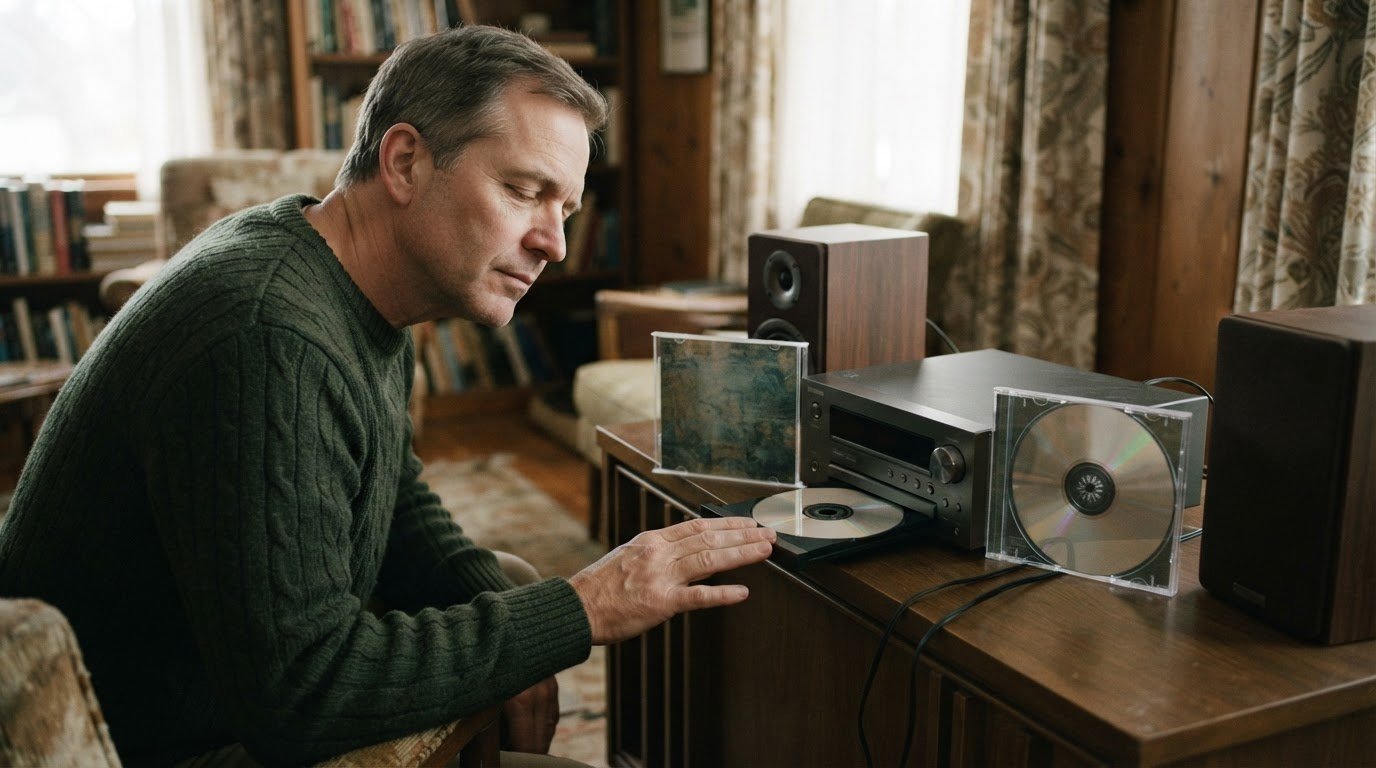
There is something special about holding a Physical CD in your hands while the music plays. It's a tactile experience that digital files just can't replicate. When you listen to a high-quality recording, you want to hear every nuance of the banjo's "pop" and the fiddle's "drone." Digital compression often strips away these subtle frequencies, losing the very "soul" of the instrument. For purists, this is why physical media remains the gold standard. If you're looking to dive deeper into this world, check out this guide on Exploring the Best Traditional Irish Session Music CDs for Collectors in 2026.
Supporting Independent Artists
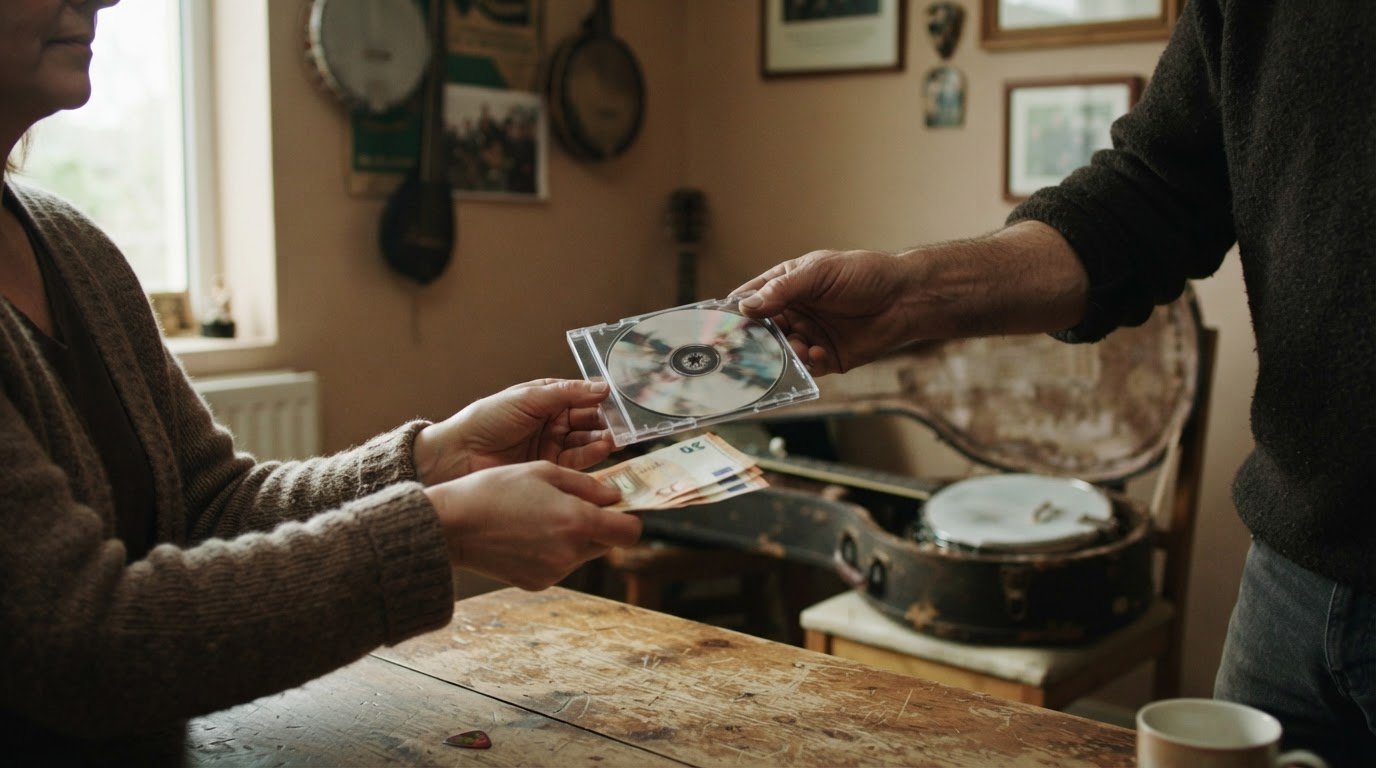
Buying direct from an artist is the most effective way to preserve the regional styles we've discussed. In the traditional music world, many of the most important recordings are "limited edition" runs that become legendary over time. Páraic Mac Donnchadha’s debut album, Not Before Time – 39 Years in the Making, is a perfect example of a legacy project that captures a lifetime of mastery. By choosing a Not Before Time Digital Album or a physical copy, you're directly contributing to the survival of the East Galway and Clare traditions. You can learn more about this in The Collector’s Guide: How to Buy Traditional Irish Music Direct from Artists in 2026. Don't just consume the music; be a part of its history.
Not Before Time: A Modern Legacy of the Western Sound
After decades spent honing his craft in quiet pub corners and at lively kitchen tables, Páraic Mac Donnchadha has finally released his definitive statement on music from the west of ireland. His debut album, Not Before Time – 39 Years in the Making, isn't just a collection of tunes. It's a lifetime of session experience distilled into a single, powerful record. By recording these 18 tracks live with a group of expert session musicians, Páraic has managed to capture that elusive, raw energy that defines the tradition. It’s a project that feels both legendary and immediate, echoing the sounds of the masters who came before him.
The album is characterized by a "soulful" and "rhythmic" quality that is the hallmark of the Western sound. Instead of the sterile environment of a modern studio, these tracks breathe with the life of a real session. You can hear the interplay between the instruments, the subtle variations in the melody, and that steady, driving pulse we’ve explored throughout this guide. It’s a masterclass in how to play with "lift" without sacrificing the "lonesome" soul of the tune. For any purist, this album represents the high-water mark of authentic, regional banjo playing.
Inside the 18 Tracks
The repertoire on the album is a carefully curated journey through the reels, jigs, and hornpipes that define Galway and Clare. Every track was chosen to represent a specific facet of the West’s musical dialect. Whether it's a driving reel that mimics the Atlantic surf or a soulful jig that allows the banjo's melody to shine, the variety here is immense. This collection serves as a comprehensive survey for anyone looking to understand the technical nuances of the tradition. To learn more about the specific sets and the musicians who joined Páraic on this journey, you can read about Not Before Time - 39 Years in the Making: The Definitive Irish Banjo Debut. It’s the perfect starting point for your collection.
The Story in the Liner Notes
In the world of traditional music, the history of a tune is just as important as the notes themselves. Páraic understands this deeply, which is why the album includes extensive liner notes that act as a storytelling companion to the music. He uses these notes to connect you to the origins of the tunes and the people who passed them down. This context transforms the listening experience, making you feel as though you're part of the conversation. It's this commitment to education and preservation that makes the record an essential piece for any serious collector. You can order your copy of 'Not Before Time' directly from Páraic here to experience the full, high-fidelity sound of the West. It’s been 39 years in the making, but I promise you, it was well worth the wait. Enjoy the music!
Start Your Journey into the Heart of the West
You've seen how the rugged cliffs and quiet kitchens of Galway and Clare have shaped a tradition that's as deep as it is rhythmic. By focusing on the steady pulse and learning to hear the difference between a soulful East Galway flow and a driving Clare lift, you're no longer just a listener; you're becoming a part of the story. Authentic music from the west of ireland is a living conversation that thrives when we choose to support independent voices and seek out recordings that prioritize soul over studio polish.
Now it's time to put that knowledge into practice and let the melodies speak for themselves. You can bring the sound of the West home with 'Not Before Time – 39 Years in the Making'. This collection is a definitive milestone, featuring 18 tracks recorded live to capture that true session energy. With 39 years of traditional mastery behind it and extensive historical liner notes to guide you through the tunes' origins, it’s the perfect way to anchor your collection in real tradition. Keep the music playing, and I hope to see you at a session down the road soon!
Frequently Asked Questions
What is the best way to listen to music from the West of Ireland?
The best way to engage with the music is to listen for the "lift," which is the rhythmic buoyancy that makes a tune feel like it's floating. Try tapping your foot on the off-beat to find the internal pulse. It’s also helpful to seek out recordings that aren't over-produced. This allows you to hear the natural interaction between instruments, just like you’d experience at a real session in Galway or Clare.
What is the difference between East Galway and Clare music styles?
It really comes down to the rhythmic heartbeat. East Galway music is typically more melodic and "laid-back," using a slightly slower tempo that lets the soul of the tune shine through. County Clare music is famous for its "lift" and a bright, driving swing that keeps dancers on their feet. Both share a "lonesome" quality, but the energy levels differ based on the regional dialect of the musicians involved.
Why is the tenor banjo so popular in Irish traditional music?
The tenor banjo is prized for its percussive clarity and sharp, clear tone. It cut through the noise of crowded pubs long before microphones existed. Since it’s tuned like a fiddle but an octave lower, it can play the same intricate melodies while providing a rhythmic anchor for the session. In the West, it has become the preferred instrument for players who want to combine melodic complexity with a steady, driving pulse.
Is it better to buy digital downloads or physical CDs for Irish music?
If you want the best audio quality and historical context, physical CDs are the gold standard. They include detailed liner notes and higher fidelity sound than compressed digital files. Interestingly, CD sales grew by 16% in early 2026 as collectors moved back toward owning tangible media. However, digital downloads are perfect for immediate access. Both options support the artist more directly than streaming, helping to ensure the tradition continues to thrive.
What are 'liner notes' and why are they important for traditional albums?
Liner notes are the booklets included with an album that provide the "map" to the music's history. They explain where the tunes came from, who the musicians are, and the stories behind the recording. For anyone exploring music from the west of ireland, these notes are essential. They transform a simple melody into a deep, cultural experience by connecting you to the generations of masters who kept these soulful sounds alive for centuries.
Who is Páraic Mac Donnchadha and what is his musical style?
Páraic is a seasoned tenor banjo player known for his rhythmic and soulful style. He prioritizes the "lift" and the internal swing of a tune over sheer speed. His debut album, "Not Before Time – 39 Years in the Making," captures this perfectly across 18 live-recorded tracks. It serves as a masterclass in music from the west of ireland, blending the melodic flow of East Galway with the driving energy of legendary County Clare sessions.
Can I find authentic Irish session music on streaming platforms?
Streaming platforms are convenient for discovery, but they often lack the "pure" sound of a real session. Many recordings on these sites are over-produced or lack the necessary historical context. To find truly authentic music, look for independent releases recorded live with expert musicians. These recordings capture the democratic conversation between masters that defines the tradition, providing a much warmer and more inviting experience than a generic, compressed digital playlist.
How can I support independent Irish traditional musicians?
The most effective way to help is to buy music directly from the artist's website. Whether you choose a digital album or a physical CD, direct purchases ensure the creator receives the most support. This allows them to fund future projects and preserve regional styles. You can also help by sharing their work with other enthusiasts. Supporting independent musicians helps maintain the unique cultural heartbeats of places like Galway and Clare for years to come.
Comments