The Essential Guide to Irish Tenor Banjo Music: History, Styles, and Soul

What if the secret to a perfect session isn't how fast you can play, but how well you can make the room dance? For many, irish tenor banjo music is often mistaken for its high-speed American cousins, leaving listeners lost in a sea of generic "Celtic" playlists that lack real soul. You've likely felt that frustration, searching for the raw, rhythmic pulse of a genuine kitchen session only to find over-produced tracks that sound like they belong in a lift. It's a common hurdle, especially when trying to distinguish the driving "swing" of a Clare reel from the lonesome, lyrical flow of the East Galway tradition.
I'm here to help you cut through the noise and discover the true rhythmic mastery of this four-string powerhouse. This guide will walk you through the rich history and regional nuances that give this music its legendary status. You'll learn exactly what to listen for in a world-class recording, from the subtle "lift" of a hornpipe to the technical grit of a live session. By the time we're finished, you'll have a curated ear for the authentic sounds of the West and a deeper connection to a tradition that's been decades in the making. Let's dive into the soul of the banjo.
Table of Contents
The King of Strings: Understanding the Irish Tenor Banjo Sound
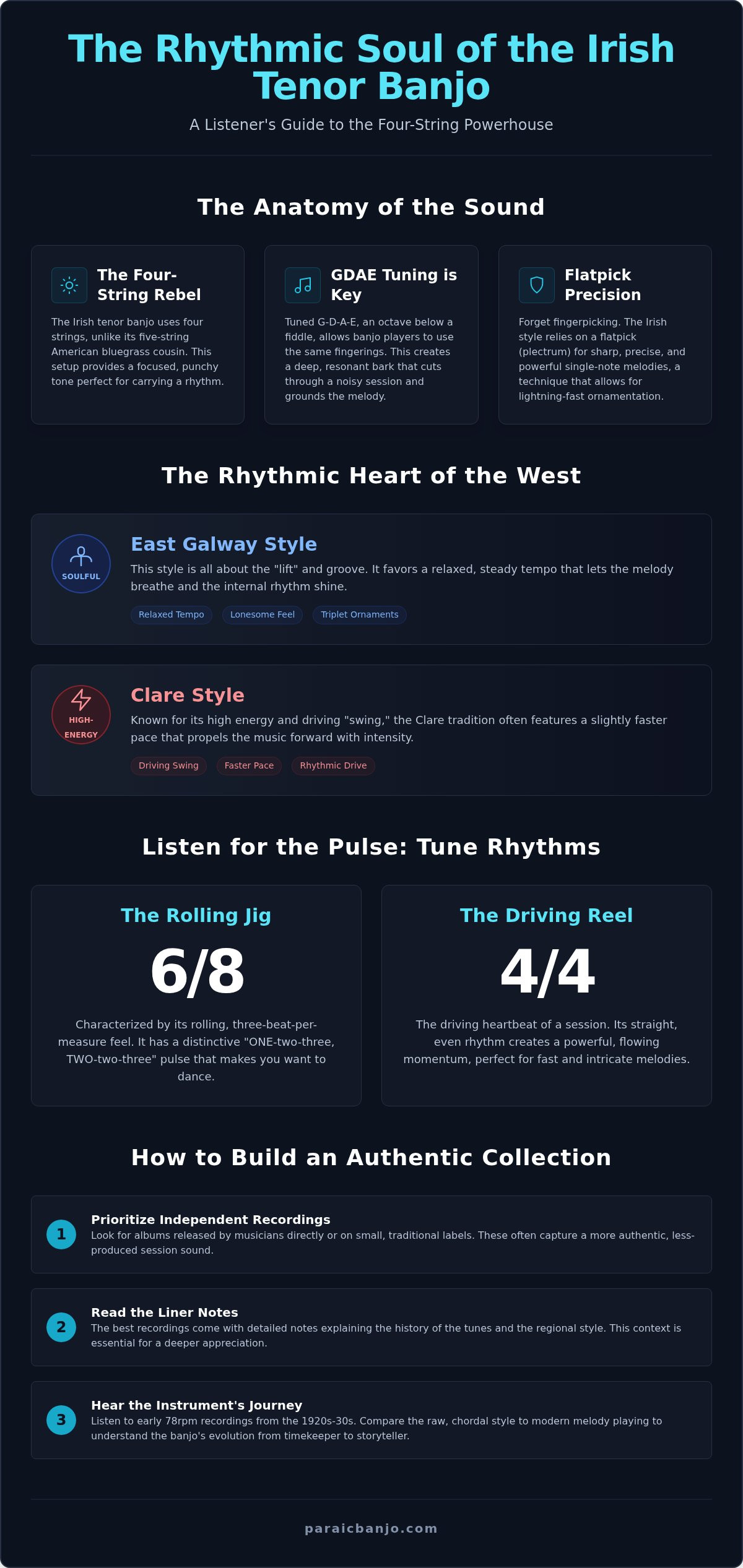
The Irish tenor banjo is a bit of a rebel. While its cousins in America were busy playing bluegrass on five strings, the tenor banjo found its way into the smoke-filled rooms of Irish pubs with just four. It's tuned GDAE, which is exactly one octave below a fiddle. This isn't just a technical detail; it's the reason why the banjo became the rhythmic heartbeat of the session. It provides a pulse that keeps every dancer on their feet and every musician in time. It's the anchor that holds a set of tunes together.
If you're coming from a background in country music, forget the fingerpicking styles you might know. Authentic irish tenor banjo music relies on a flatpick, or plectrum, to strike the strings with sharp precision. This instrument actually made a long journey from the History of the Tenor Banjo in 1920s American jazz bands before it ever became a staple of the Emerald Isle. Once it landed, it never looked back, trading dance halls for the warmth of the traditional hearth.
The GDAE Tuning: Why It Matters for Trad Music
Standard tuning on a tenor banjo is usually CGDA, but Irish players changed the game by dropping it to GDAE. This shift is genius because it allows a banjo player to use the exact same fingerings as a fiddle player. It creates a rich, low-end resonance that fills the room. When you're in a crowded session with three fiddles and a loud accordion, that deep banjo bark is what cuts through the noise. It grounds the melody. If you want to hear this resonance for yourself, listen to the tracks on Not Before Time – 39 Years in the Making. You can hear how the low strings vibrate against the drum-like head of the banjo, giving it that signature thump.
From Accompaniment to Melody: A Short History
Back in the early days, the banjo was mostly a background instrument. It was there to provide a steady "chunk-chunk" rhythm while the fiddles and flutes took the lead. That all changed during the folk revival of the 1960s. Musicians began to realize that those four strings could handle the lightning-fast triplets of a reel just as well as any other instrument. We moved from simple strumming to intricate melody playing. The growth of irish tenor banjo music in this era was a revolution for the ears.
Actionable Tip: To truly appreciate where we are now, spend an afternoon listening to early 78rpm recordings from the 1920s and 30s. Compare that raw, chordal style to the fluid melody lines found on modern albums like Not Before Time – 39 Years in the Making. You'll hear how the instrument evolved from a timekeeper into a lead storyteller. It's a journey worth taking.
The Rhythmic Soul of the West: East Galway and Clare Styles
Irish music isn't a single, uniform sound. It's a collection of regional dialects. If you travel just thirty miles from one county to the next, the "lift" of a reel or the "swing" of a jig can change entirely. These nuances are what give irish tenor banjo music its incredible depth. While some players focus on lightning speed, the traditions of the West prioritize something much more elusive: soul. It's about how the notes sit against the rhythm, creating a pulse that feels like a living, breathing thing.
Páraic Mac Donnchadha stands as a dedicated keeper of these rhythmic secrets. His playing isn't about flashy showmanship; it's a celebration of the East Galway and Clare traditions he has lived for decades. In these regions, the music is often described as "lonesome" or "soulful," favoring relaxed tempos that allow the melody to breathe. You can hear this heartbeat yourself in the tracks on Páraic's debut album, where the focus remains firmly on the groove rather than the clock.
What is East Galway Style?
The East Galway style is all about the "lift." Instead of a frantic pace, musicians here use a relaxed, steady tempo that emphasizes the internal rhythm of the tune. The signature of this style is the triplet. This is a technical ornament where three notes are squeezed into the space of one, adding a crisp, percussive texture to the melody. It's less about the notes themselves and more about the "swing" they create. For a deeper dive into these regional differences, check out our guide on East Galway vs Clare Music: A Guide to the Rhythmic Soul of the West.
The Influence of Master Musicians
These styles weren't learned from textbooks or YouTube tutorials. They were forged in the heat of legendary ensembles like the Tulla and Kilfenora Ceili Bands. These groups defined the sound of the West, passing down a specific way of "cutting" a note or "pulsing" a rhythm through generations of oral tradition. Understanding The Tenor Banjo's Place in Irish Music means recognizing that the instrument is a relatively recent addition that had to find its voice within these ancient structures.
Actionable Tip: When you're hunting for new irish tenor banjo music, skip the generic compilations. Look for albums that specifically mention regional styles or local mentors in their liner notes. These details are a roadmap to authenticity, helping you find recordings that carry the true weight of the tradition rather than just a polished studio sheen. Listen for the pauses, the slight delays, and the rhythmic "growl" that signals a player who truly knows their roots.
From Jigs to Reels: How to Listen Like a Session Pro
Listening to a session isn't just about hearing the tunes; it's about feeling the clockwork behind the melody. When you sit down with a great album of irish tenor banjo music, you aren't just a passive observer. You're part of a conversation that has been happening for centuries. To listen like a pro, you need to recognize the two main pillars of the tradition: the jig and the reel. Each has a distinct personality that dictates how the banjo player approaches the strings.
The jig is the rolling, bouncy heart of the party. It's written in 6/8 time, which musicians often remember by the mnemonic 'rashers and sausages.' Try saying it out loud while you listen. You'll hear that triple-beat pattern that makes it impossible to keep your feet still. The reel, on the other hand, is the high-energy engine of the tradition. It's in 4/4 time, providing a steady, driving heartbeat that pushes the music forward. While the jig rolls, the reel flies.
What makes the banjo special in these sets is how it interacts with the fiddle or flute. Because the banjo has a sharp, percussive attack, it acts like a drum and a melody instrument at the same time. You should listen for ornamentation, which are those lightning-fast extra notes that add flavor. These flourishes should never break the steady march of the rhythm. Instead, they provide 'lift,' giving the music a sense of weightlessness even when the tempo is grounded and soulful.
The Magic of the Live Session Sound
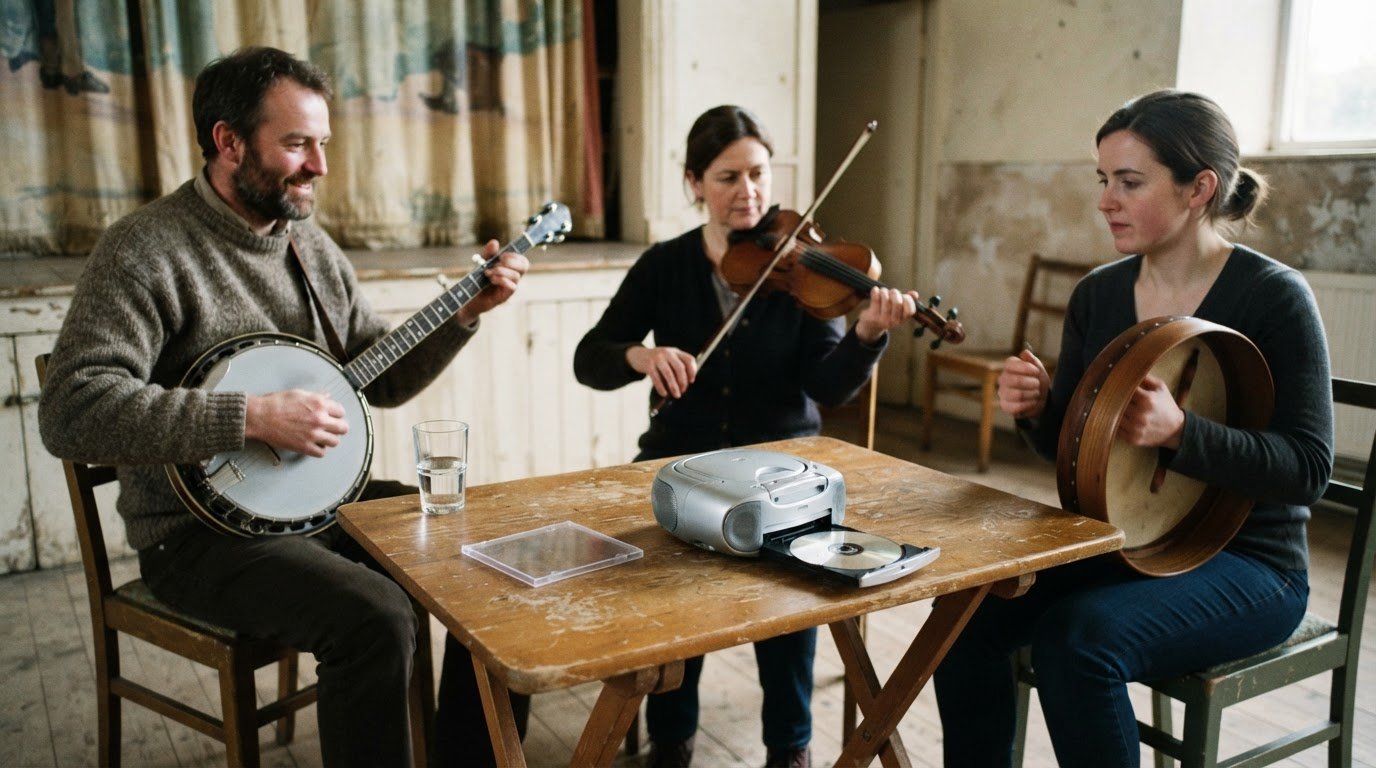
Purists often prefer a raw, live recording over a polished studio album. There's a specific energy in the room during a session that you just can't manufacture in a booth. It's the sound of spontaneous musical conversations and the shared breath of the performers. If you want to dive into this world, explore The Authentic Sound of Traditional Irish Session Music to see why these live captures are so vital for collectors who value soul over studio perfection.
Decoding the Tracklist: What’s in a Set?
In irish tenor banjo music, tunes are rarely played alone. They're grouped into 'sets' of two or three tunes that flow into one another. The real magic happens during the transition. That's the split-second moment where the musicians move from one tune to the next, often shifting the key to keep the energy building. It's a definitive statement of a lifetime's passion when a player can nail these shifts with total precision.
Actionable Tip: Next time you're listening to a set of reels, try to spot the exact moment the banjo player changes tunes. Usually, there's a slight surge in volume or a specific melodic flourish that signals the change. If you can catch that moment, you're listening like a true session pro. It's a fun way to engage with the music and appreciate the mental gymnastics required to keep eighteen tracks of live music flowing seamlessly.
Building Your Collection: How to Find Real Traditional Music
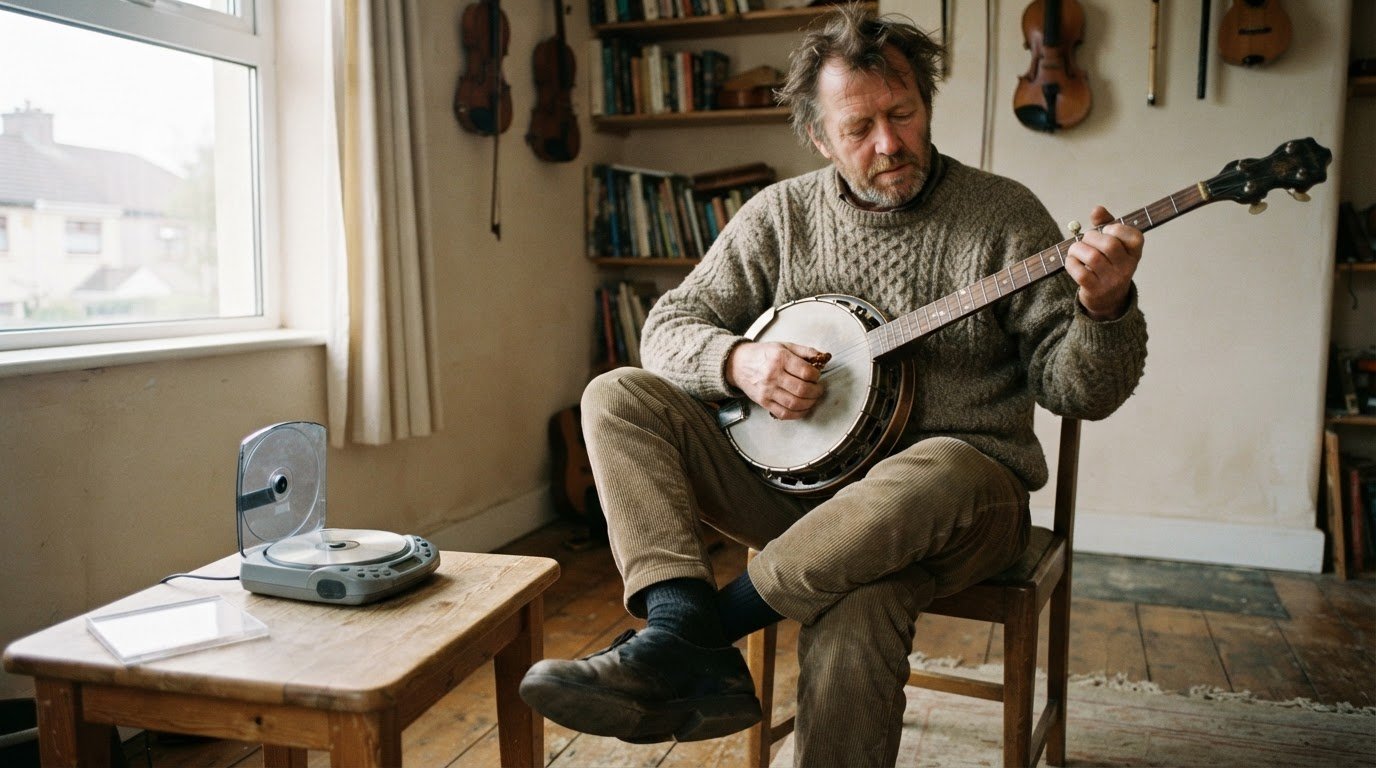
Finding authentic irish tenor banjo music can feel like a needle-in-a-haystack mission. Most streaming platforms throw you into generic "Celtic Chill" playlists that sound like they were recorded in a sterile lab. You want the grit. You want the soul of a West of Ireland kitchen session. To find that, you have to look for the names. Look for independent artists who are putting out their own debut projects. These albums aren't just collections of tunes; they're often a definitive statement of a lifetime's passion, representing decades of practice and community roots.
Supporting the artist directly is the best way to keep this tradition thriving. When you purchase from an official website, you aren't just buying a file or a disc. You're helping a musician who has spent decades honing their skill to continue their craft. It's a direct, person-to-person connection that transcends simple commercialism. It feels personal, like you're being invited into a storied musical tradition rather than just clicking a button on a digital storefront.
Why Liner Notes are the Secret Weapon for Fans
For a true enthusiast, the music is only half the story. Detailed liner notes are your map to the tradition. They tell you exactly where a tune came from, who taught it to the player, and why it matters. In my own project, I made sure to include a 36-page booklet because those stories are just as vital as the notes themselves. You also get to see the list of expert guest musicians and the instruments they brought to the session, which helps you understand the interplay of the sound. For more tips on spotting the real deal, check out our guide on How to Buy Traditional Irish Music: A Collector’s Guide to Authenticity.
Digital vs. Physical: Which is Better for Purists?
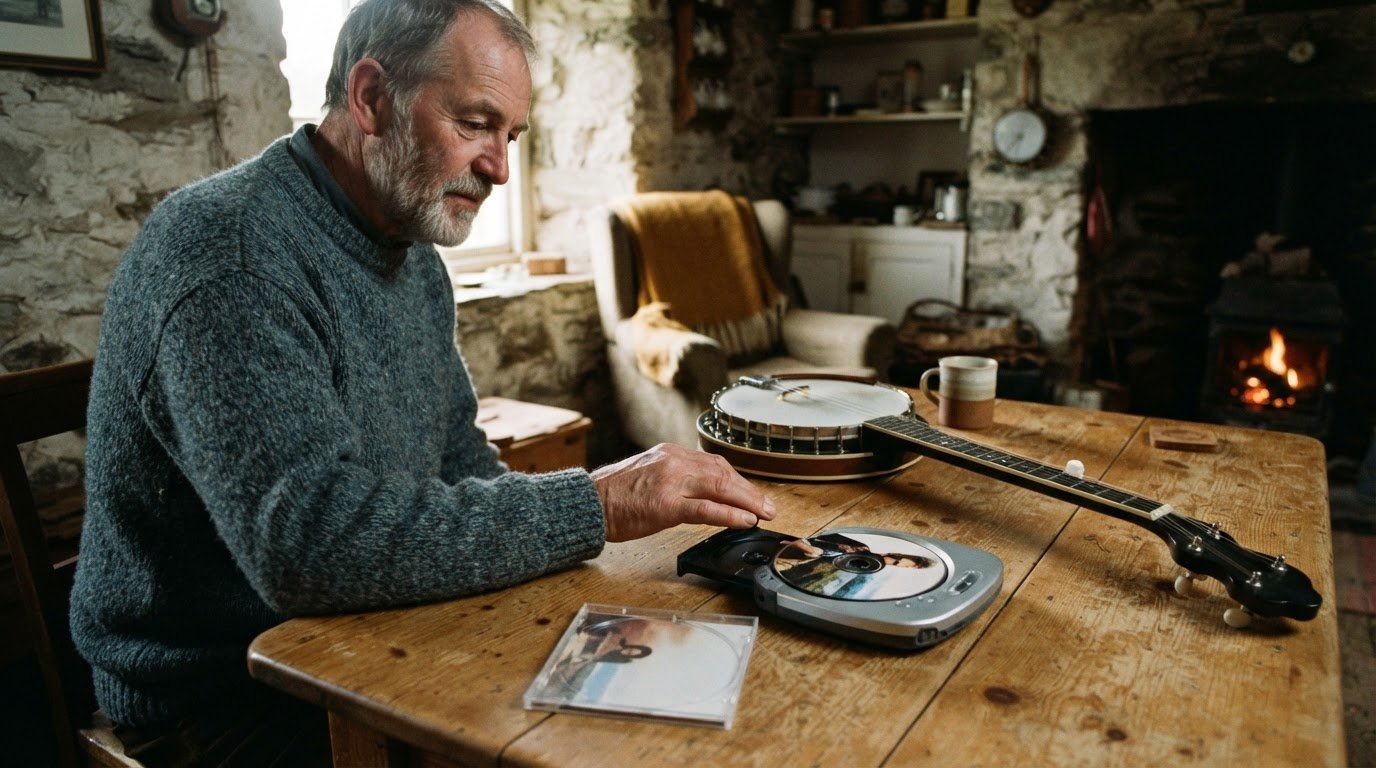
Digital downloads are incredibly convenient. They allow for immediate listening on your phone while you're out and about. However, the physical CD has an "heirloom" quality that digital files just can't match. Holding the artwork and reading the history while the 18 tracks play in the background is a sensory experience. It feels permanent. It carries the weight of a significant career milestone that you can actually hold in your hands.
Actionable Tip: Don't feel like you have to choose one or the other. Many collectors buy the digital version for the convenience of their mobile devices and keep the physical CD for their home library. It’s the best of both worlds. If you’re ready to add a masterclass in the East Galway style to your shelf, you can order the physical CD or digital album directly here. It’s a great way to ensure the tradition continues for another generation.
Experience a Lifetime of Tradition with 'Not Before Time'
All the history and theory in the world can't compare to the actual sound of the strings. If you want to hear the culmination of everything we've explored, you'll find it in 'Not Before Time – 39 Years in the Making.' This isn't just another debut album. It’s a definitive statement of a lifetime's passion for irish tenor banjo music. Recorded live to capture that raw, infectious session energy, these 18 tracks offer a front-row seat to the authentic East Galway tradition. It’s a project that balances professional pride with a warm, inviting spirit, making you feel as though you’re being invited into a storied musical tradition rather than just a digital storefront.
39 Years of Passion in One Recording
Why did it take 39 years? Because this music needs time to settle in the bones. It’s about more than just hitting the right notes; it’s about the musical friendships forged across decades of late-night sessions and shared tunes. Each track on this album represents a different chapter of that long journey. You can read more about why this project is such a significant career milestone in our feature on Not Before Time - 39 Years in the Making: The Definitive Irish Banjo Debut. Every triplet and every rhythmic pulse on this recording is a direct link to the masters who came before, captured with the soul of the kitchen session intact.
How to Get Your Copy
Getting your hands on this collection is simple. Whether you prefer the immediate access of high-quality digital tracks or the tactile, heirloom quality of a physical CD, the storefront has you covered. The physical version is particularly special for any serious collector because it includes a 36-page booklet of detailed liner notes. These aren't just technical specifications; they are background notes and stories that educate you on the depth of the tradition. It turns the album into a masterclass for any dedicated fan. You aren't just buying music. You're joining a community.
Actionable Tip: When your copy arrives, try this: set aside an hour, open the liner notes, and read the story of each set as it plays. Understanding the 'who' and 'where' behind a tune makes the auditory experience much more sensory and evocative. It’s the best way to appreciate the nuances of irish tenor banjo music as a living history.
Explore the tracks and order your copy of Not Before Time today. It's a journey 39 years in the making, and it's finally ready for your ears.
Step Into the Heart of the Session
We've traveled from the jazz halls of the 1920s to the rhythmic soul of East Galway. You now know that the true power of the banjo lies in its pulse and the "lift" it brings to a room. Whether you're distinguishing a rolling jig from a driving reel or hunting for the stories hidden in liner notes, you're no longer just a listener. You're a part of the tradition. Authentic irish tenor banjo music is a conversation between generations, and having the right recordings makes all the difference.
My debut album captures this journey across 18 live tracks, backed by 39 years of musical heritage. It's a project built on friendships and thousands of late-night sets. Order "Not Before Time" – the definitive Irish banjo debut by Páraic Mac Donnchadha to get the physical CD with its detailed historical liner notes. It's the perfect way to bring the authentic session sound into your own home. Keep the music playing and the rhythm steady. See you at the next session!
Frequently Asked Questions
What is the difference between an Irish tenor banjo and a regular banjo?
An Irish tenor banjo typically has four strings and a shorter neck compared to the five-string bluegrass variety. While bluegrass players use fingerpicks to roll through chords, we use a single flatpick to strike the melody with precision. The Irish version is built for the sharp, percussive attack needed in a session. It's less about the "twang" and more about the "pulse" that drives the dancers across the floor.
Is the tenor banjo hard to learn if I already play the guitar?
If you already play guitar, you have a head start on pick control and fretboard strength. However, the tuning is quite different. Guitars are mostly tuned in fourths, while the banjo is tuned in fifths. This means your scale patterns will change. My tip is to practice your triplets early on. This quick "down-up-down" movement is the secret to making your tunes sound authentic rather than just like a guitar melody.
Why is the Irish banjo tuned to GDAE?
We tune to GDAE because it mirrors the fiddle exactly, just one octave lower. This was popularized by the legendary Barney McKenna. It’s a brilliant setup because it allows banjo players to share the same fingerings as fiddle players, making it easy to learn the vast library of traditional tunes. This specific tuning is what gives irish tenor banjo music its deep, resonant growl that cuts through the noise of a busy pub.
What are the best Irish tenor banjo albums for beginners to listen to?
For anyone starting their journey, I recommend "Not Before Time – 39 Years in the Making." It features 18 tracks that serve as a masterclass in the rhythmic East Galway style. You should also listen to Barney McKenna’s work with The Dubliners to hear the instrument's roots. Look for albums that include detailed liner notes. These stories help you understand the history behind the music, not just the technical notes on the page.
Who are some famous Irish tenor banjo players I should know?
You absolutely have to know Barney McKenna, who essentially defined the modern Irish sound. Kieran Hanrahan and John Carty are also essential listening for their technical brilliance. For a deep dive into the soulful, rhythmic style of the West, explore the work of Páraic Mac Donnchadha. His debut album is a definitive statement of a lifetime spent in the tradition, showcasing the "lift" that defines the very best session playing.
Can I play Irish music on a 5-string bluegrass banjo?
You can try, but it's a bit like driving a tractor on a race track. The extra fifth string on a bluegrass banjo often gets in the way of the fast, linear picking required for Irish reels. Tenor banjos have a shorter scale and four strings, which makes those quick jumps between notes much easier. For the authentic "bark" and "pop" of a traditional session, a 17 or 19-fret tenor banjo is the way to go.
What are jigs and reels, and why are they so common in banjo music?
Jigs and reels are the two main types of dance tunes in Ireland. Jigs have a rolling 6/8 rhythm, often described as "rashers and sausages," while reels are a driving 4/4 heartbeat. Because the banjo is naturally percussive, it acts as both a melody instrument and a drum. This makes it perfect for providing the "lift" and energy that dancers need to stay in time during a high-energy set.
Where is the best place to buy authentic Irish banjo music online?
The best place to find real music is directly from the artist's own storefront. Websites like paraicbanjo.com offer high-quality digital tracks and physical CDs that you won't find on generic streaming playlists. Buying direct ensures the musician is supported and often gives you access to extensive liner notes. These notes are vital for learning the history and regional styles that make this musical tradition so rich and enduring.
Comments