Traditional Irish Banjo Players and Uilleann Pipes: A Listener’s Introduction

What if the banjo and uilleann pipes aren’t competing for the melody, but giving a session two distinct voices? Traditional Irish banjo players bring a bright, sharply picked sound, while the pipes can sing in longer, rounded phrases. Both instruments may carry a tune, so listen for the quality of each sound, not just who has the melody.
If you’ve struggled to tell the instruments apart, you’re in good company. Start by listening for the tenor banjo’s crisp note attacks and the pipes’ sustained chanter melody, with drones adding a steady note underneath. Then notice how each sound fits into a session, where musicians share tunes and respond to one another. Páraic Mac Donnchadha’s playing offers a banjo player’s perspective: his debut album, Not Before Time - 39 Years in the Making, brings together 18 live-recorded tracks, with liner notes rooted in East Galway and Clare. Follow one sound at a time, then listen for how the voices meet.
Table of Contents
Traditional Irish Banjo Players and Uilleann Pipes: Two Voices in the Tradition
How Uilleann Pipes Work and Why Their Sound Feels Distinctive
Traditional Irish Banjo Players and Uilleann Pipers: Comparing Their Musical Roles
A Beginner’s Listening Guide to Traditional Irish Banjo and Pipes
Explore Traditional Irish Banjo Music Through Páraic Mac Donnchadha
Traditional Irish Banjo Players and Uilleann Pipes: Two Voices in the Tradition
What does each instrument bring to traditional Irish music? A banjo can pick out a tune with bright, clearly separated notes; uilleann pipes can carry it in a more sustained, singing line. Hear them as different voices within a shared tradition, rather than as rivals for the melody. A session brings musicians together around familiar tunes, leaving room for each player’s sound and phrasing.
In brief: the tenor banjo is a fretted, plucked string instrument often used to play Irish dance tunes. Uilleann pipes are bellows-powered pipes whose chanter plays the melody. “Fretted” means the instrument’s neck has raised markers that help the player find notes. Listen for the banjo’s crisp note beginnings and the pipes’ more continuous tone to tell them apart.
The tenor banjo became part of Irish traditional music comparatively recently, around a century ago. Its bright, carrying sound suited lively dance settings. That history doesn’t define every player or session, though. Musicians shape familiar reels, jigs and hornpipes in their own ways, and instruments appear in different combinations. Listen for how the tune moves as well as which instrument is carrying it.
What does a traditional Irish banjo player contribute?
Traditional Irish banjo players commonly play the melody, picking out its notes so you can hear the tune’s shape and pulse. Try listening to a reel and focus on the spaces between notes: the banjo’s plucked sound can make each turn in the tune stand out. Páraic Mac Donnchadha offers a grounded example of an Irish tenor banjo player. His playing is known for a gentle, steady rhythmic feel influenced by East Galway tradition, showing that banjo music can be measured and musical as well as bright.
What are the uilleann pipes?
Uilleann pipes are a traditional Irish instrument powered by air from a bellows under the arm, rather than by blowing into the pipes. The chanter is the part that plays the melody. Drones provide a steady background note, while regulators are keys that can add chords. Together, these parts give the instrument a layered sound. For a closer look at its construction and history, see Uilleann pipes.
Try a simple listening test: follow the melody first, then notice whether you hear short, distinct plucked notes or a sustained, reedy line. It’s a useful starting point, even before you know the tune or the players.
How Uilleann Pipes Work and Why Their Sound Feels Distinctive
The pipes’ character comes from a steady stream of air supporting a melody that can bend, pause and decorate its notes. Their tone is often described as sweet and voice-like, but you don’t need a comparison to recognise the sound. Listen for a reedy melody that lingers rather than fading between notes. It’s a useful first impression, not a rule for identifying every recording.
The basic parts and playing approach
The bellows, tucked under the player’s arm, push air into a bag. The player presses the bag to keep air moving through the chanter, the melody pipe. Drones sound continuous background notes, while regulators can add chords. This arrangement lets the musician sustain sound without blowing directly into the instrument. Each part adds a different layer to what you hear.
A concise way to describe the pipes: Uilleann pipes have a sustained, reedy melody, supported by drones and sometimes enriched by chords. “Sustained” means a note can continue rather than being struck and immediately dying away. In a tune, that can make a phrase feel connected from note to note, even as the melody changes direction.
Recognising the pipes by ear
Listen for three things: the steady quality of a held note, the reedy edge of the melody and the small flourishes around it. In traditional music, ornamentation means brief extra notes or turns that decorate the tune. They can make a phrase sound lively and expressive without changing its overall shape. Hear a quick flick around a longer note? Treat it as a clue, not a test.
Try this with a recording that includes uilleann pipes: focus on one melodic phrase, then listen again for the sustained tones underneath. You may notice the melody seems to breathe and ripple while the drones hold a steadier bed of sound. Other instruments and the recording itself can affect what stands out, so use these details as listening guides rather than fixed rules.
The pipes are rooted in a living musical practice, not just a distinctive sound. UNESCO inscribed uilleann piping on its Representative List of the Intangible Cultural Heritage of Humanity in December 2017. The UNESCO Intangible Cultural Heritage page explores the practice’s cultural significance alongside the listening details.
For a complementary perspective, explore Páraic Mac Donnchadha’s banjo recordings. Listen for how a plucked melody’s crisp attacks differ from the pipes’ sustained tone.
Traditional Irish Banjo Players and Uilleann Pipers: Comparing Their Musical Roles
Banjo and pipes can both carry a tune, but their different sounds give you useful clues as a listener. A tenor banjo’s plucked notes have a clear, percussive start; uilleann pipes often hold a reedy tone through a phrase. Neither instrument has one fixed job in every tune. The performer, arrangement and musical setting all shape what you hear.
These are listening clues, not strict rules. A banjo can phrase a melody smoothly, and the pipes’ ornaments can make a line sound nimble and finely articulated. In a recording with several instruments, the tune may pass between players or be doubled, with two instruments playing the same melody together. The aim isn’t to rank their sounds, but to notice how each shapes the music.
What can listeners distinguish between banjo and pipes?
Try a two-pass listen. First, follow the notes that seem to begin with a distinct pluck. Then listen again for a reedy line that carries across the spaces between notes. These cues can help separate the instruments, though busy arrangements and individual playing styles may blur the difference.
For traditional Irish banjo players, the melody is often central, but the instrument’s contribution also comes through in its timing, accents and phrasing. Uilleann pipes offer a different colour: a sustained melody can sit alongside the quick movement of a dance tune, while drones or chords may add depth. A broad overview of traditional Irish music can help place both instruments within the larger musical picture.
How do the instruments fit into a session?
A session is a shared setting where musicians play traditional tunes together. There’s no required lineup, so banjo and pipes won’t necessarily appear together in every group or recording. When they share a tune, listen for interplay: one player may bring out a phrase, add a rhythmic lift or echo the shape another musician has just played.
Pick a recording and follow one instrument for a phrase, then shift your attention to another. Notice whether their rhythms lock together, one sound stands out, or the melody seems to move between them. This small listening exercise reveals more than trying to label every note. Let the tune lead and enjoy the different voices within it.

A Beginner’s Listening Guide to Traditional Irish Banjo and Pipes
You don’t need to know tune names or specialist terms to hear what makes a traditional recording come alive. A little focused listening goes a long way. Use the same short sequence with different recordings, and you’ll start noticing how the tune moves, which sounds catch your ear and how the musicians play off one another.
What should you listen for first?
Try these steps. Each pass gives your ear one job, so you can listen closely without trying to identify everything at once.
Find the pulse. Listen to the tune from the start and tap or quietly count its steady beat. This helps you settle into the rhythm before concentrating on individual instruments.
Follow the sound that stands out. Notice whether you hear crisp, plucked notes, a sustained reedy line or another prominent sound. Don’t worry about naming it correctly yet. This first impression gives you a point to follow.
Listen for changes. Replay a short passage and track what happens to the melody: does it rise, settle, repeat or gain quick decorative turns? These details help you hear the tune’s shape and the player’s phrasing.
Notice the musical conversation. Focus on how sounds meet. One player might echo a phrase, reinforce the rhythm or become more prominent for a moment. This helps you hear an ensemble as musicians sharing a tune, rather than as a single blur of sound.
Jot down plain-language notes such as “bright, clipped notes” or “a long, singing sound under the tune.” Your own descriptions are useful; you don’t need to label every technique. Traditional Irish banjo players vary their phrasing, and recordings may include different combinations of instruments, so let your ears lead rather than treating any one sound as a fixed rule.
How can recordings reveal different musical textures?
When comparing recordings, use track details or credits to identify the instruments. Choose a passage where the lineup is listed, then listen for how the arrangement feels: is the melody easy to pick out, does a steady tone sit behind it, or do several instruments seem to move together? Comparing audible details this way is more reliable than guessing from sound alone.
Regional context can add another layer to the listening. Páraic Mac Donnchadha’s debut album, Not Before Time - 39 Years in the Making, brings together 18 tracks recorded live with expert musicians. Its liner notes include historical context and stories connected to East Galway and Clare. Use those notes to consider how place and musical background enrich your understanding of the music.
Ready for a closer listen? Explore Páraic Mac Donnchadha’s debut album and follow the banjo’s phrasing and rhythmic touch across the recordings.
Explore Traditional Irish Banjo Music Through Páraic Mac Donnchadha
Ready to move from recognising instruments to hearing a player’s choices? Spend time with Páraic Mac Donnchadha’s banjo playing and notice how his rhythmic approach shapes the music. Rather than listening for speed or volume, choose one phrase and pay attention to its feel: does it seem gently propelled, firmly accented or unhurried? Your own response is a good place to start.
As you continue listening, notice how the banjo line sits within the ensemble. Does it draw your attention throughout, or do other musicians change what you hear? Return to a passage and focus on a different player. That shift can reveal the give-and-take of shared music without needing to identify every instrument or technique.
If you want to learn more about the background to Not Before Time - 39 Years in the Making, the album-story article offers further context. Then return to the music with a fresh question in mind: what detail would you like to follow this time?
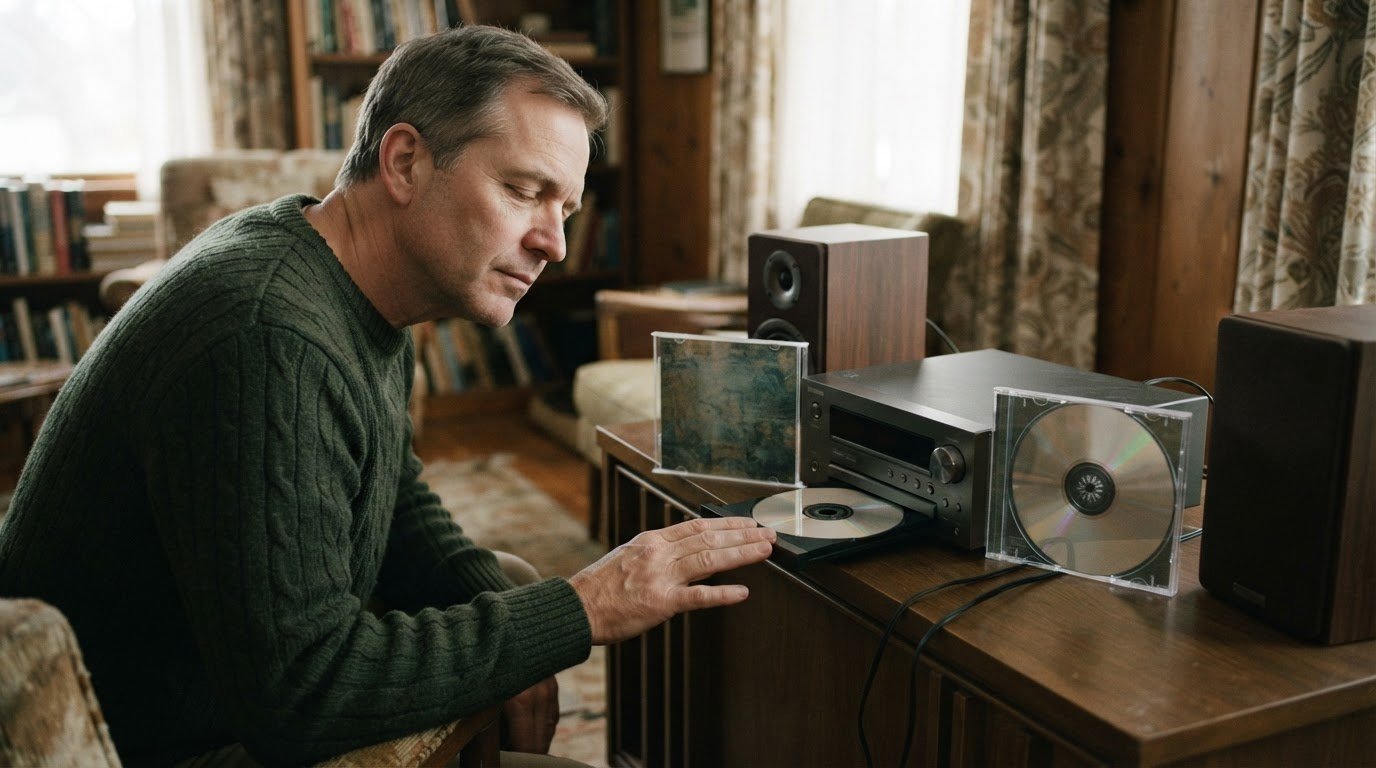
Choose the listening format that fits you: take in the album, start with an individual digital track or explore the limited-edition physical CD. There’s no need to take it all in at once. One tune, listened to with care, can open the door.
Explore Páraic’s album and music, choose a track or format, and follow the sound wherever it leads.
Keep Listening, One Tune at a Time
Let curiosity set the pace. The next time a tune catches your ear, return to it and follow a different detail: the lift of the rhythm, the shape of a phrase or the way one player leaves space for another. You don’t need to name every sound. The pleasure is in noticing more with each listen and finding your own way into a tradition that has grown through musicians sharing tunes and ideas.
That’s a fine place to begin exploring traditional Irish banjo players: not with a checklist of names, but with an open ear and a tune you’d happily hear again. Follow the sounds that draw you in, and let your listening deepen naturally.
Ready for another musical step? Explore Páraic’s album and music. Pick a tune, settle in and enjoy the journey.
Frequently Asked Questions
What is the difference between a tenor banjo and uilleann pipes?
A tenor banjo is a string instrument, while uilleann pipes are powered by air from a bellows. That’s the basic difference in how they produce sound. To identify the instruments on a particular recording, look at the track credits rather than relying on an album-wide list. This is especially useful when several musicians are playing and the source of a musical line isn’t obvious.
How can I recognise uilleann pipes in traditional Irish music?
Listen for a reedy melody that sustains across a phrase, with drones providing a steadier sound underneath. Small flourishes may decorate the melody. In a busy arrangement, it can be difficult to separate each instrument by ear, so compare what you hear with the recording’s track credits or notes. Try noting the point where you think the pipes enter, then use the credits to check your listening.
Can banjo and uilleann pipes be played together in an Irish session?
Yes, musicians can play banjo and uilleann pipes together, but the lineup depends on the players and setting. On a recording, check the credits for each tune instead of assuming the same instruments feature throughout. In a live session, listen to how the musicians settle into a tune together; there isn’t one required lineup. The music can make room for different voices without assigning either instrument a permanent place.
Is the tenor banjo a traditional Irish instrument?
Yes, the tenor banjo is part of Irish traditional music today. “Traditional” describes a living musical practice, not a rule that every instrument must have originated in Ireland or been present from the earliest days of the tradition. The tenor banjo has found its place through musicians playing traditional tunes on it. Listening to different players is a good way to hear how individual approaches shape that role.
What should a beginner listen for in traditional Irish banjo music?
Start with the track information: note the tune title and the credited musicians, then keep a short list of pieces you’d like to revisit. This gives your listening a thread to follow as you explore traditional Irish banjo players. Return to a favourite tune later and compare how different recordings handle it, without needing to identify every instrument or learn specialist terms first.
Where can I hear traditional Irish tenor banjo music?
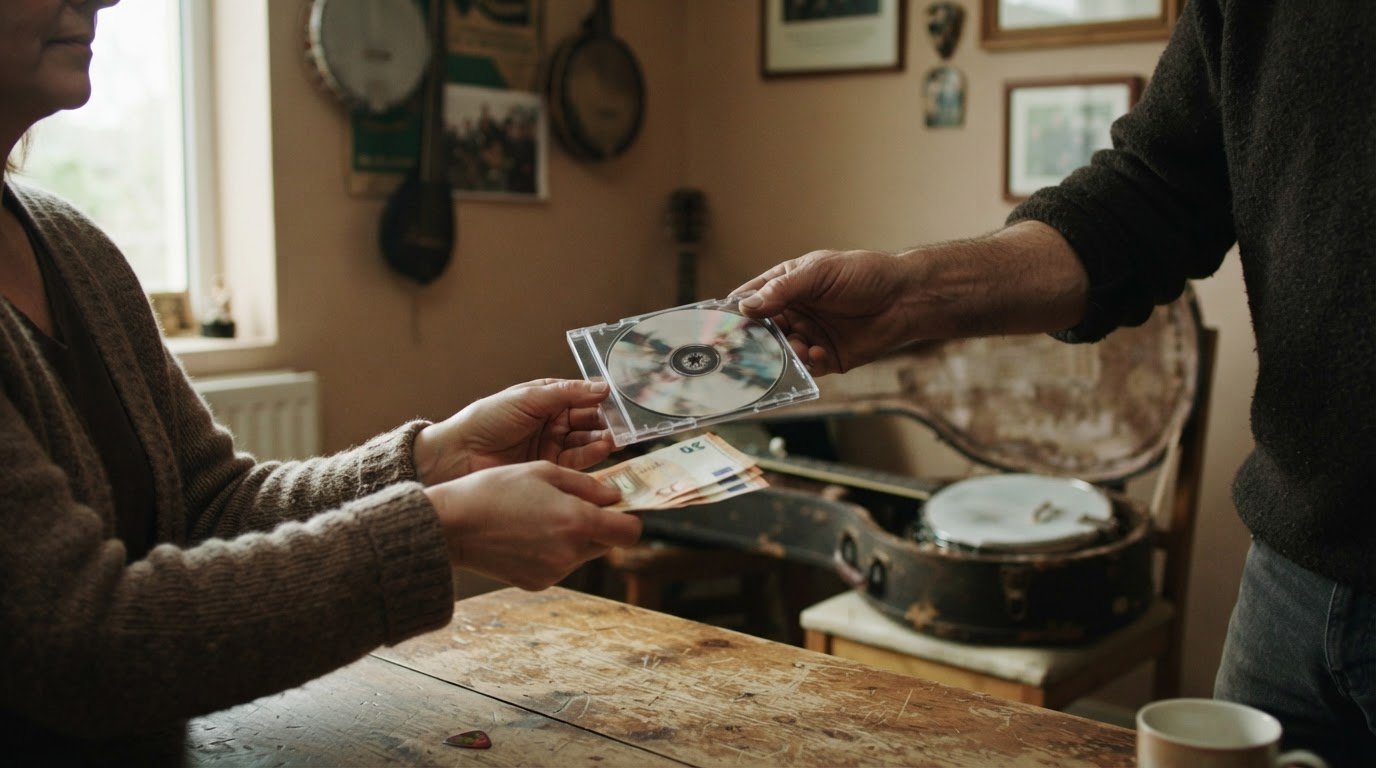
Páraic Mac Donnchadha’s official website is a direct place to explore his tenor-banjo music. Choose an individual digital track for a shorter introduction or listen to the digital album as a whole. If you prefer physical media, the album is also offered as a limited-edition CD. Pick whichever format suits your listening habits, then give yourself time to settle into the tunes.
Do liner notes help when listening to traditional Irish music?
They can make listening more engaging if you use them actively. Choose one detail that catches your interest, write down a question it raises and keep the note beside you as you listen. You don’t have to understand every reference straight away. The aim is to give yourself something to return to, so each play can prompt fresh curiosity rather than feel like a test.
Comments